

Table of contents
Executive Overview ………………………………..
Four-Quadrant Consumer Demand Map ……….
Quadrant 1: Quality Seekers ……………………..
Quadrant 2: Value Seekers ……………………….
Quadrant 3: Nostalgia Seekers ………………….
Quadrant 4: Adventure Seekers …………………
Consumer Demand Framework Matrix …………
State of the Industry 2026 …………………………
Industry Shift: Reaction to Recalibration ……
Technology Maturation ……………………………
Brand Correction & Heritage Resurgence …….
Food Trends Overview ……………………………
Trend 1: Maximalist Flavor Experiences ………
Maximalist Flavor: Implementation …………….
Trend 2: Functional & Forgotten Foods ………
Functional Foods: Implementation ……………
Trend 3: Swicy Evolves to Swavory ……………
Swavory: Implementation …………………………
Trend 4: Plant-Forward & Next Wave Veganism
Plant-Forward: Implementation ………………….
Elevated Staples & Ingredient Integrity ………
Value-Forward Comfort …………………………..
Heritage Reclaimed ………………………………
Global Comfort & Regional Deep Dives ……….
Reinvented Ethnic Cuisine: Overview …………….
Regional Specificity Replaces Broad Categories
Chef-Driven Narratives ………………………………
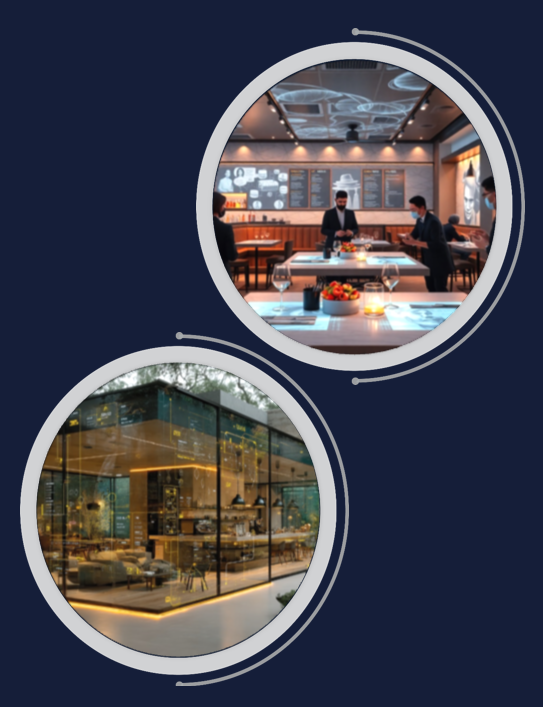
Hybrid Formats & Non-Traditional Venues ………
Technology Integration & Cultural Education …..
Market Projections: Ethnic Cuisine ……………….
Reinvented Ethnic Cuisine: Examples ……………
Food as Medicine: Overview ……………………….
Consumer Attitudes & Market Size ………………..
Food as Medicine: From Exclusion to Addition …
Mental & Emotional Wellbeing Focus …………….
Food as Medicine: Operator Playbook …………..
Non-Alcoholic Cocktails: Market Overview ……..
NA Cocktails: Growth Metrics ……………………..
NA Cocktails: Cultural Shift ………………………..
Product Evolution & Quality Improvement ………
Key Takeaways: Consumer Quadrants ……………
Key Takeaways: Food Trends ………………………
Key Takeaways: Operational Strategy ……………
Investment & Growth Opportunities ………………
2026 Action Plan ………………………………………
About the Author, Robert Ancill ……………………
Sources & Glossary ………………………………….
Contact Page …………………………………………..
Executive Overview
The Next Idea Group presents the 2026 Restaurant & Food Trends Report, a forward-looking analysis designed for restaurant operators, hotel leaders, grocery executives, and food-focused investors. Now in its fifteenth year, this report synthesizes global consumer behavior, menu intelligence, and cultural shifts to forecast what will meaningfully shape foodservice performance in 2026.
- Consumer mindset divided into Four-Quadrant Demand Map
- Personalization driven by Al becoming baseline expectation
- Flavor turning louder and more layered while luxury becomes quieter
- Functional foods reshaping menus across all dayparts
- Beverage programs globalizing with heritage spirits and low-ABV formats
- Restaurants redesigning menus for changing appetites and social norms
Four-Quadrant Consumer Demand Map
2026 demand is best understood through repeatable consumer mindsets rather than traditional demographics. These mindsets are situational: the same consumer may shift between them across occasions, dayparts, and economic cycles. Quality, Value, Nostalgia, and Adventure form a demand map that explains why certain concepts outperform others.
- Quality Seekers: Premium, proven, worth it
- Value Seekers: Smart spend, high utility, predictability
- Nostalgia Seekers: Comfort, familiarity, emotional safety
- Adventure Seekers: Discovery, global exploration, cultural stories
Quadrant 1: Quality Seekers
Quality Seekers are motivated by confidence and assurance that what they are buying is genuinely better. For this consumer, price is secondary to trust. 46% of global consumers cite high-quality ingredients as primary factor, while 53% cite quality of service. This mindset shows up in premiumization of familiar items rather than chasing novelty.
- Lead with small number of hero ingredients and signature preparations
- Build narratives around sourcing, seasonality, and craftsmanship
- Emphasize consistency and reliability over constant reinvention
- Luxury becomes quieter: shorter ingredient lists, visible quality cues
- Focus on elevated staples and polished understated service
Quadrant 2: Value Seekers
Value Seekers are strategic spenders, highly aware of price but equally attuned to efficiency, utility, and fairness. Over two-thirds of consumers globally report actively balancing price with quality. They make selective trade-offs, trading down on weekday meals while allocating spend toward small luxuries that feel emotionally rewarding.
- Design clear good/better/best menu structures for transparency
- Offer bundled offerings and portion flexibility to protect margin
- Emphasize speed, consistency, and predictability
- Create high-perceived-value add-ons without complexity
- Focus on everyday escapism and elevated staples positioning
Quadrant 3: Nostalgia Seekers
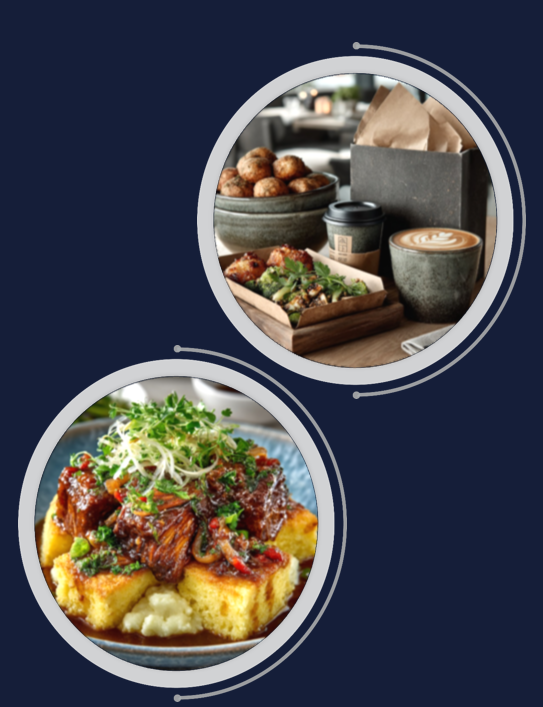
Nostalgia Seekers are driven by emotion and appetite for familiar foods that provide reassurance. 57% of consumers actively seek comforting flavors during times of stress, reframing indulgence as emotional wellbeing. This mindset fuels resurgence of classic dishes, throwback menus, and heritage branding, especially during economic volatility.
- Modernize classics rather than replicate them frozen in time
- Revisit traditional foods through cleaner ingredients and better sourcing
- Use limited-time revivals and heritage storytelling effectively
- Embrace New-stalgia: update for current relevance while preserving emotional core
- Build cross-generational appeal through familiar yet improved dishes
Quadrant 4: Adventure Seekers
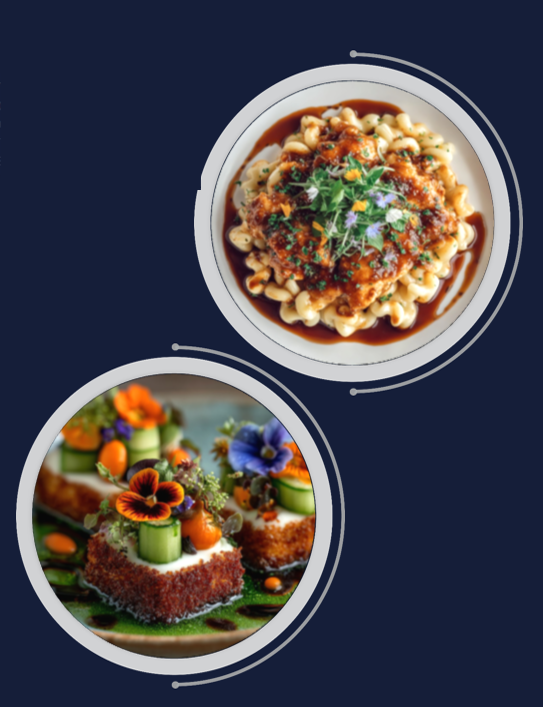
Adventure Seekers are driven by curiosity, cultural discovery, and desire to expand culinary horizons. They actively seek bold flavors, global cuisines, and novel food experiences. 41% of consumers have visited restaurants specifically because they saw trending items online, making visual impact and shareability critical success factors.
- Design rotating discovery menus and regional deep dives
- Emphasize authentic regional storytelling over generic fusion
- Create tasting flights and staff-led storytelling to reduce risk
- Focus on guided exploration: structured yet novel experiences
- Leverage social discovery and visual shareability for cultural relevance
Consumer Demand Framework Matrix
| Consumer Mindset | Core Motivation | Menu & Product Signals | Winning Formats |
|---|---|---|---|
| Quality Seekers | Trust, craftsmanship, assurance | Premium ingredients, restrained execution, provenance cues | Fine dining, chef-led fast casual, premium private label |
| Value Seekers | Smart spend, efficiency, predictability | Bundles, familiar formats, portion flexibility | Fast casual, QSR+, retail meal solutions |
| Nostalgia Seekers | Comfort, emotional safety | Classics reimagined, heritage cues, familiar flavors | Family dining, casual chains, prepared foods |
| Adventure Seekers | Discovery, cultural exploration | Global flavors, regional specificity, visual drama | Trend-forward restaurants, beverage programs |
Industry Shift: Reaction to Recalibration
Operators are becoming more selective, consumers more discerning, and brands more accountable. Today’s diners navigate higher costs, cultural fatigue, and abundance of choice, making eating out increasingly purposeful rather than habitual. The industry is returning to intentionality across all decision-making.
- No single positioning strategy is sufficient on its own
- Consumers asking clearer questions: worth, fit, experience value
- Brands building portfolios where each quadrant has clear logic
- Success tied to clarity of identity and consistency of execution
- Innovation means blending new with familiar, not radical disruption
Technology Maturation
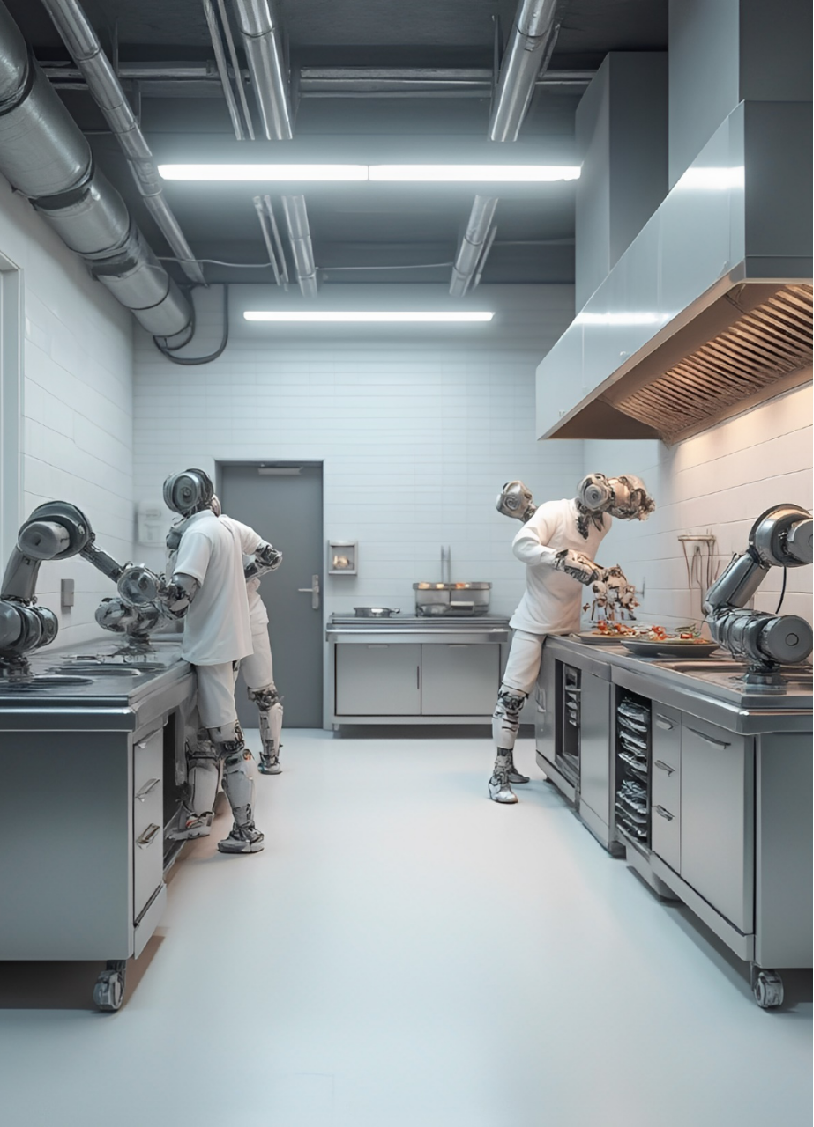
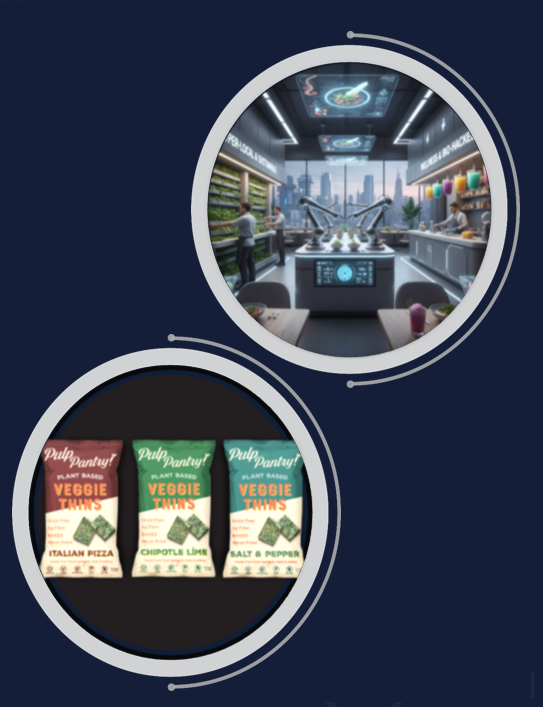
Technology remains powerful but its role is evolving. The hype-driven phase of Al, automation, and robotics is giving way to practical application. Al is becoming background infrastructure: optimizing labor, forecasting demand, personalizing menus, managing inventory, and enhancing engagement.
- Al no longer framed as future, but part of current infrastructure
- Robotics moving into targeted, task-specific roles in back-of-house
- Winners integrate technology intelligently to elevate hospitality
- Focus on using tech to improve consistency and reduce labor pressure
- Technology enhances rather than replaces human connection
Brand Correction & Heritage Resurgence
Legacy and heritage brands, once written off as outdated, are re-emerging with renewed relevance. These brands benefit from deep consumer familiarity, emotional equity, and menu formats that align with current demand for comfort, value, and trust. When refreshed thoughtfully, heritage brands prove remarkably resilient.
- Heritage brands re-emerging through better ingredients and cleaner branding
- Hype-dependent brands struggling as consumer expectations sharpen
- Brand longevity tied to clarity of identity, not constant reinvention
- Emotional equity and familiarity becoming strategic advantages
- Selective innovation more effective than aggressive expansion
Food Trends Overview
Rather than viewing food trends as isolated movements, evaluate them through the Four-Quadrant Demand Map. This approach clarifies why a trend resonates, who it attracts, and how it should be executed for commercial success. Each trend aligns with specific consumer mindsets.
- Quality Seekers: Elevated staples and ingredient integrity
- Value Seekers: Value-forward comfort and smart indulgence
- Nostalgia Seekers: Heritage reclaimed and modernized classics
- Adventure Seekers: Global comfort and regional deep dives
- Trends succeed when aligned with clear quadrant positioning
Trend 1: Maximalist Flavor Experiences
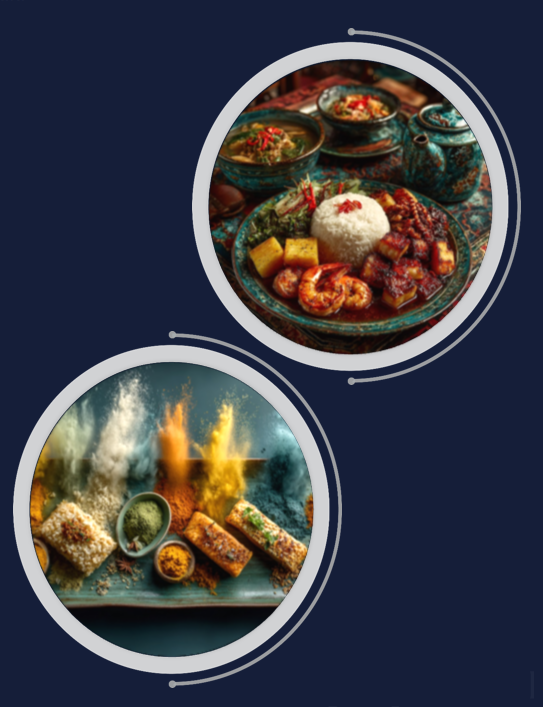
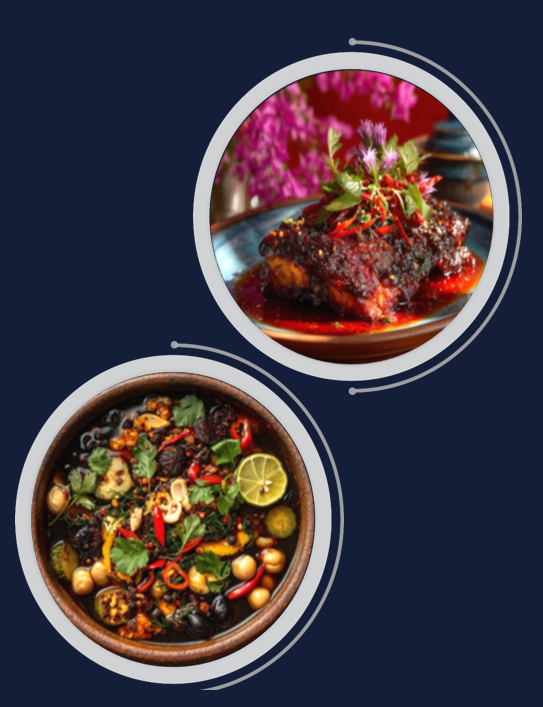
After years of minimalist plating and restrained seasoning, consumers gravitate toward dishes that feel abundant, expressive, and unapologetically bold. This trend is driven by desire for sensory stimulation, emotional payoff, and visual drama. Maximalism shows up as layered flavor construction where sweet, spicy, sour, bitter, and umami elements coexist intentionally.
- Primary Quadrant: Adventure Seekers I Secondary: Quality Seekers
- Leverage Southeast Asian, South Asian, Middle Eastern, Latin American flavors
- Layer multiple textures: crunch, crackle, chew, creaminess in single bite
- Use sauces, condiments, spice blends as differentiation at low food cost
Maximalist Flavor: Implementation
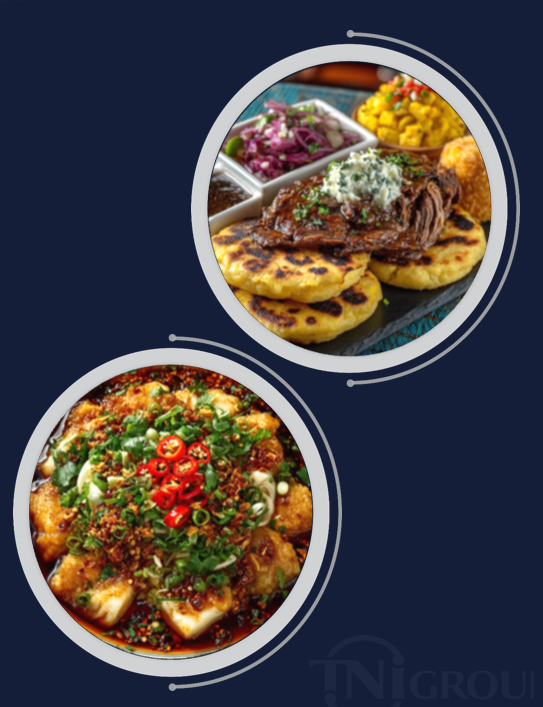
- Chili-oil noodles finished with citrus, herbs, and crunchy toppings
- Smash burgers layered with global sauces: gochujang aioli, tamarind ketchup
- Loaded fries with multiple sauces, pickles, and spice blends
- Korean fried chicken, Malaysian laksa, Peruvian ceviche, Nigerian suya proteins
- Mexican birria-inspired dishes with complex flavor layering
- High perceived value through visual identity and shareability
- Amplify existing menu items without changing core format
- Focus on indulgent yet comforting execution for broad appeal
Trend 2: Functional & Forgotten Foods
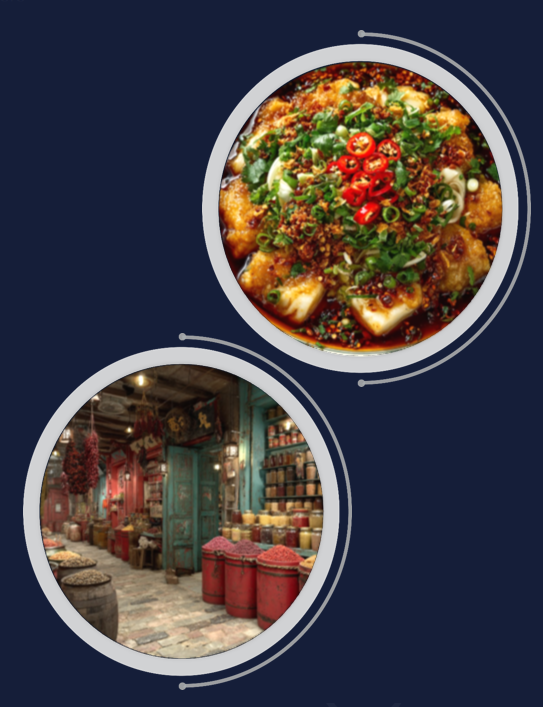
Functional eating evolves beyond niche wellness culture. In 2026, function is integrated into mainstream menus through familiar formats enhanced with purposeful ingredients. Consumers no longer sacrifice flavor for health, they expect food to deliver both pleasure and benefit. Alongside functional ingredients, chefs rediscover forgotten foods with strong nutritional and sustainability credentials.
- Primary Quadrant: Quality Seekers I Secondary: Value Seekers
- Adaptogens moving into sauces, beverages, broths, desserts
- Ancient grains replacing refined starches in bowls and breads
- Fermented foods for gut-health halo and flavor depth
Functional Foods: Implementation
Functional eating evolves beyond niche wellness culture. In 2026, function is integrated into mainstream menus through familiar formats enhanced with purposeful ingredients. Consumers no longer sacrifice flavor for health, they expect food to deliver both pleasure and benefit. Alongside functional ingredients, chefs rediscover forgotten foods with strong nutritional and sustainability credentials.
- Ashwagandha, reishi, lion’s mane, turmeric in beverages and dishes
- Mushrooms in plant-forward mains, coffee drinks, umami condiments
- Kimchi, miso, gochujang, koji, kombucha, sourdough integration
- Ancient grains: teff, sorghum, farro, millet in pilafs and breads
- Root vegetables: parsnips, turnips, sunchokes elevated through roasting
- Legumes and pulses reclaiming center-of-plate status
- Highlight origin, tradition, and purpose in menu storytelling
- Frame functional eating with cultural heritage, not clinical claims
Trend 3: Swicy Evolves to Swavory
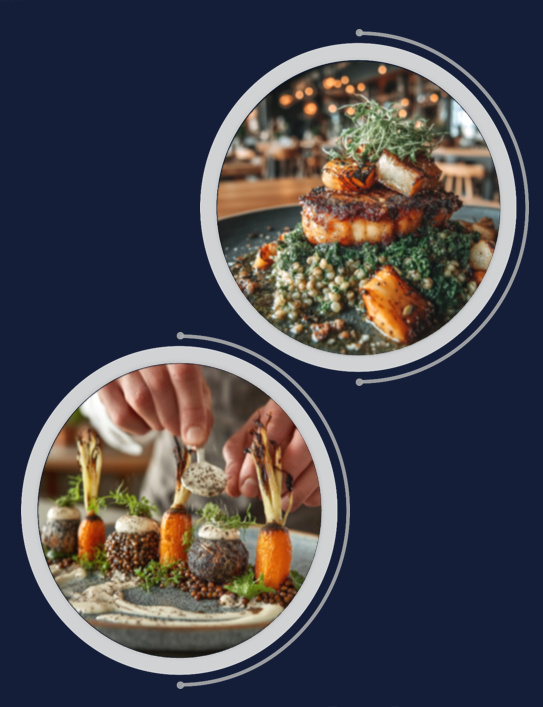
The sweet-and-spicy swicy trend that dominated menus is entering its next phase. In 2026, operators move beyond overt sweetness toward swavory, a more nuanced interplay between sweet and savory flavors. This evolution reflects a maturing palate, with diners responding to complexity, restraint, and balance rather than intensity alone.
- Primary Quadrant: Quality Seekers I Secondary: Adventure Seekers
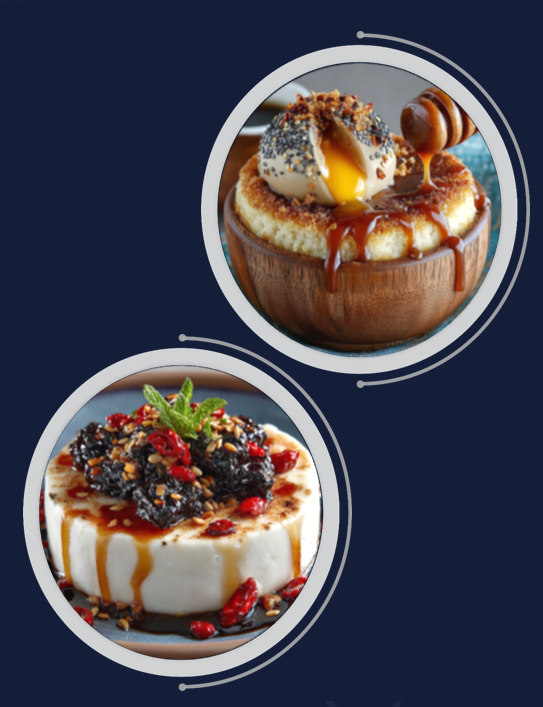
- Miso caramel, tahini soft serve with olive oil and sea salt
- Black sesame pastries, soy-forward custards
- Desserts incorporating malt, koji, or fermented dairy
- Cocktails with saline, MSG, or savory botanicals to balance sweetness
Swavory: Implementation
- Refresh dessert and beverage programs without excessive sugar
- Create cross-utilization: savory pantry in sweet applications
- Appeal to sophisticated palates while remaining approachable
- Balance indulgence with complexity and restraint
- Use umami-rich elements to deepen flavor profiles
- Leverage familiar formats with unexpected savory notes
- Position as elevated experience for Quality and Adventure Seekers
- Avoid gimmicks, focus on thoughtful flavor composition
Trend 4: Plant-Forward & Next Wave Veganism
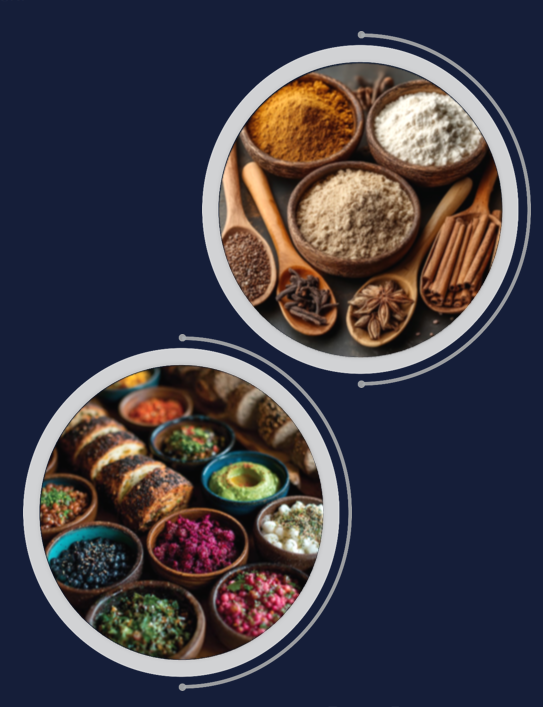
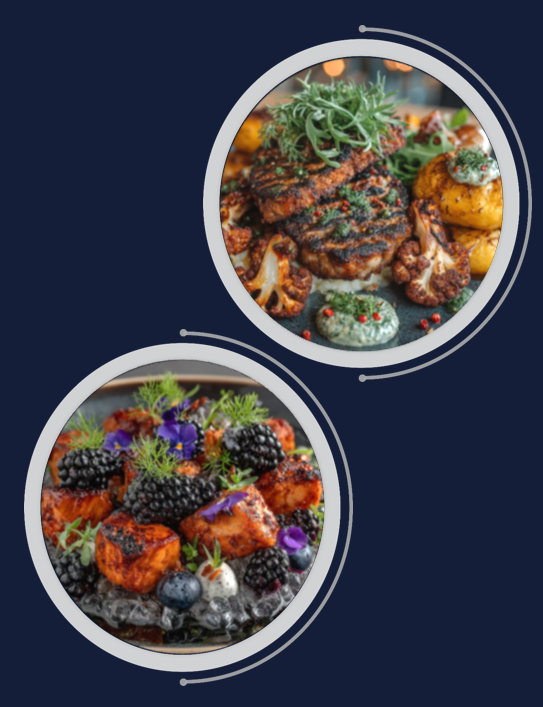
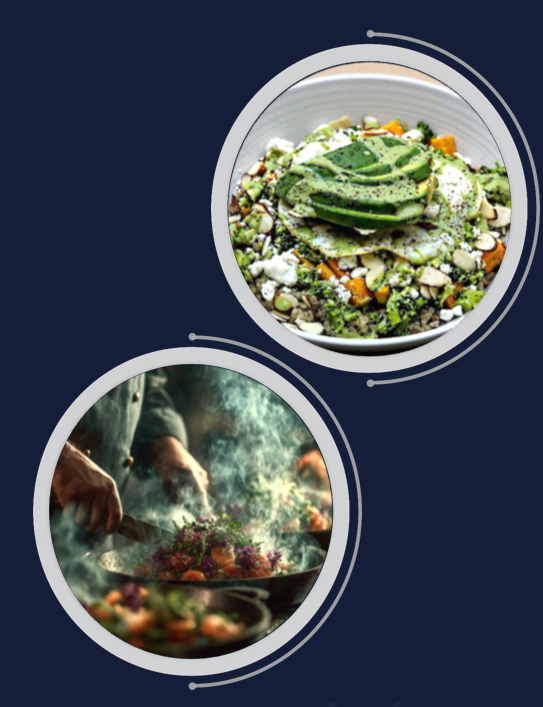
Plant-forward eating remains structurally important, but expression has shifted. Rather than strict veganism or heavy reliance on processed alternatives, menus emphasize vegetables, grains, legumes, and mushrooms as heroes. A new generation of vegan brands gains traction by focusing on flavor, comfort, and cultural relevance rather than ideology.
- Primary Quadrant: Quality Seekers I Secondary: Value Seekers
- Veggie Grill, Plant Power, Native Foods, VeganBurg, Mr. Charlie’s
- Indian cuisine: dosas, chaat, vegetable curries, lentil stews, paneer
- Plant-forward as abundance, not restriction
Plant-Forward: Implementation
- Execute with cultural authenticity and culinary confidence
- Focus on flavor and satisfaction over ethical messaging
- Support vegetables with smaller amounts of premium protein when desired
- Leverage regional Indian diversity: Semma, Adda, Dhamaka concepts
- Fast-casual Indian bowl and tiffin brands expanding market
- Appeal to flexitarians and ethical diners simultaneously
- Improved vegan product quality enabling better taste experiences
- Position as modern, aligned with contemporary values, not restrictive
Plant-Forward: Implementation
- Execute with cultural authenticity and culinary confidence
- Focus on flavor and satisfaction over ethical messaging
- Support vegetables with smaller amounts of premium protein when desired
- Leverage regional Indian diversity: Semma, Adda, Dhamaka concepts
- Fast-casual Indian bowl and tiffin brands expanding market
- Appeal to flexitarians and ethical diners simultaneously
- Improved vegan product quality enabling better taste experiences
- Position as modern, aligned with contemporary values, not restrictive
Elevated Staples & Ingredient Integrity
The strongest food trends for Quality Seekers are rooted in refinement rather than reinvention. Elevated staples such as expertly roasted proteins, minimalist vegetable preparations, and bread-and-butter programs upgraded through sourcing and technique are outperforming highly conceptual dishes. Consumers equate quality with restraint: fewer ingredients, clearer provenance, and visible craftsmanship.
- Spotlight small number of hero ingredients and repeatable signatures
- Support premium pricing without alienation through transparency
- Benefit from operational efficiency and brand equity simultaneously
- Drive growth in premium private labels and artisanal everyday items
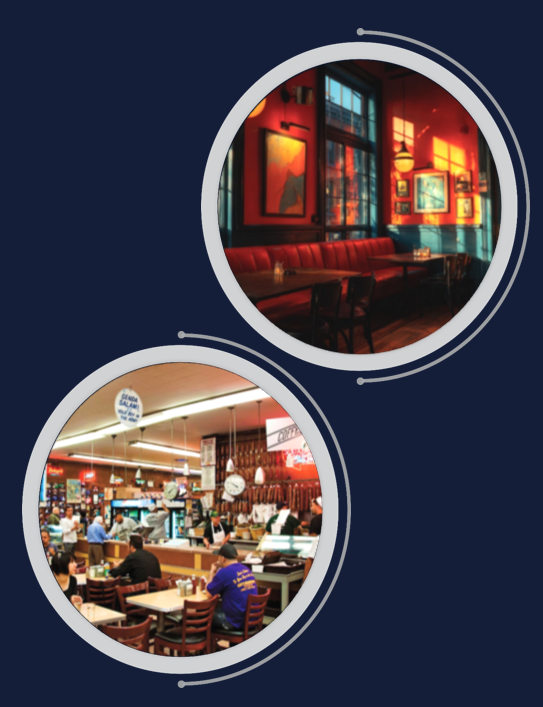
Value-Forward Comfort
For Value Seekers, food trends that succeed deliver emotional satisfaction and satiety without perceived excess. Whole roasted chicken, loaded bowls, and protein-forward comfort foods exemplify this movement. These dishes feel generous, familiar, and efficient, aligning with the desire to maximize utility per dollar.
- Emphasize clarity and predictability in menu design
- Use limited choice, modular builds, and bundled offerings
- Reduce friction while protecting margin through intentional design
- Engineer value that feels respectful, not discounted
- Focus on satiety and emotional payoff per dollar spent
- Leverage familiar formats that communicate generosity
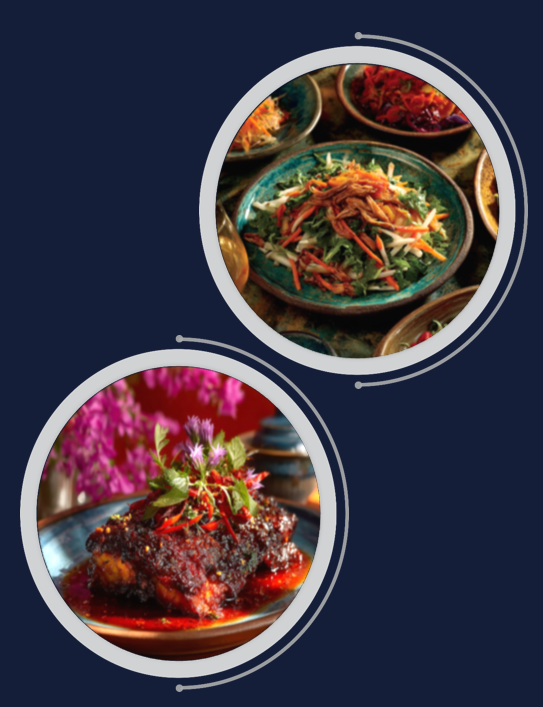
Heritage Reclaimed
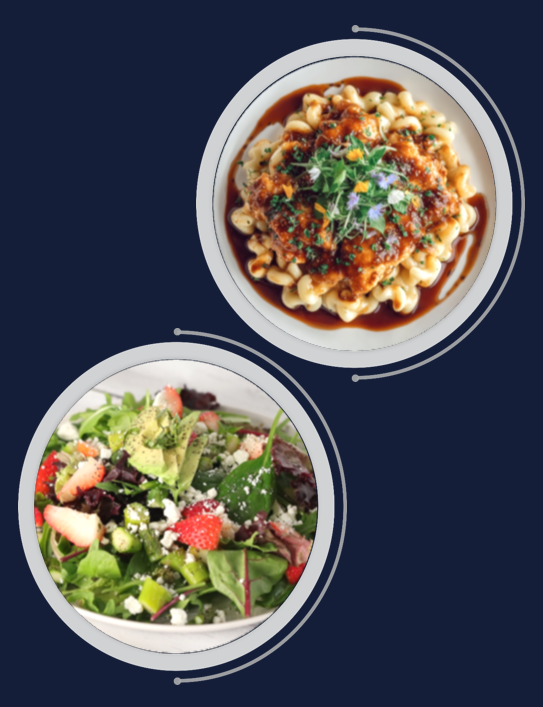
Nostalgia-driven food trends in 2026 center on emotional familiarity updated for contemporary expectations. Classic dishes like Caesar salads, mac and cheese, hot dogs, and pizza are being refreshed through better ingredients, global accents, and cleaner formulations. The key to success is emotional continuity: when consumers recognize the dish instantly but experience it as improved, trust deepens.
- Modernize classics rather than reinvent them completely
- Maintain emotional core while upgrading execution and sourcing
- Perform especially well in family dining and casual chains
- Drive repeat purchase behavior critical to profitability
- Build cross-generational appeal through familiar-yet-improved positioning
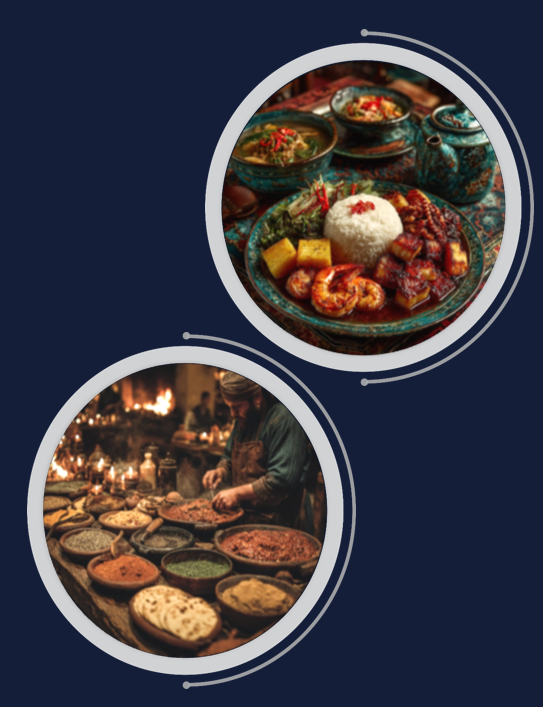
Global Comfort & Regional Deep Dives
Adventure-driven food trends emphasize specificity over novelty. Venezuelan arepas, regional Indian thalis, Malaysian laksa, and Peruvian ceviche are gaining traction not because they are new, but because they are clearly rooted. Consumers respond to dishes that feel transportive yet approachable.
- Frame as guided exploration: rotating features, regional spotlights
- Use tasting formats that reduce risk for first-time diners
- Smaller traffic share but outsized influence on brand perception
- Drive cultural relevance and social amplification
- Focus on authenticity and storytelling over generic fusion
- Build expertise in specific regional cuisines for differentiation
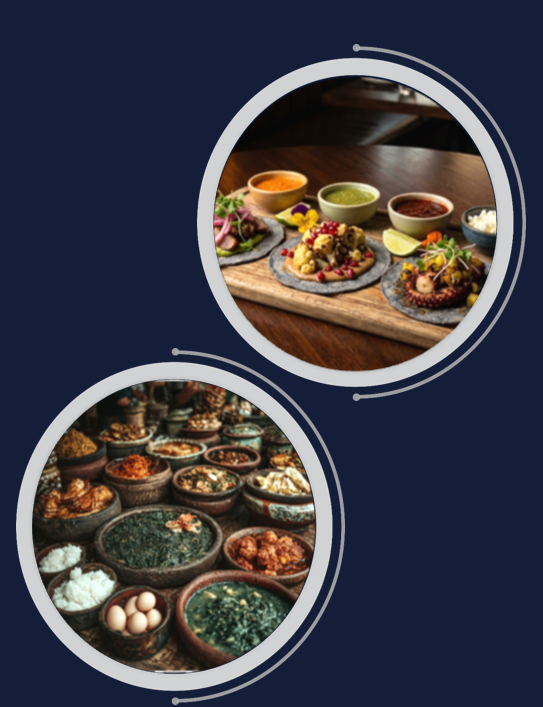
Reinvented Ethnic Cuisine: Overview
The sophisticated alchemy of traditional culinary heritage with contemporary techniques positions reinvented ethnic cuisine as a defining food trend of 2026. This represents more than fleeting fascination with exotic flavors, it signals fundamental shifts in how diners engage with global flavors, driven by cultural appreciation, generational preferences, and technological innovation.
- Convergence of cultural consciousness and demographic shifts
- Economic accessibility through diverse format innovation
- Supply chain innovation enabling authentic ingredient sourcing
- Digital storytelling amplifying chef narratives and cultural education
Regional Specificity Replaces Broad Categories
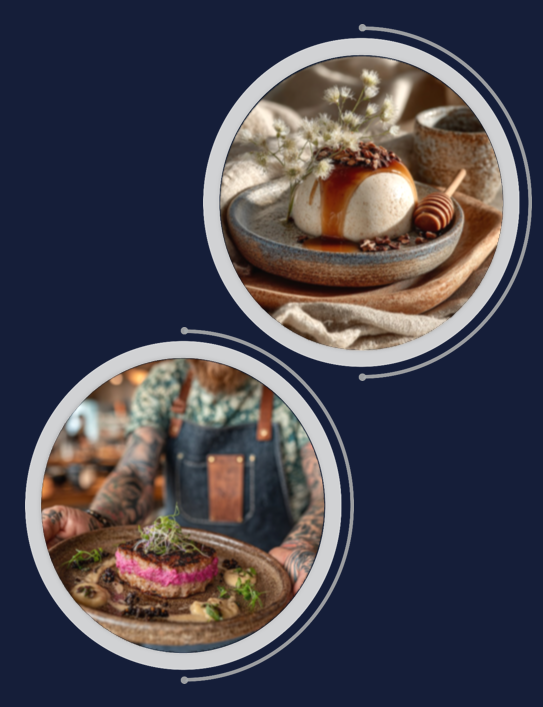
The era of generic Asian, Mediterranean, or Latin restaurants is ending. The 2026 diner demands regional specificity and culinary precision. Rather than pan-Asian fusion, successful restaurants specialize in Sichuan cuisine, Oaxacan regional Mexican, or Kerala coastal Indian. This hyperspecialization allows chefs to develop deep expertise, source appropriate ingredients, and tell authentic cultural stories.
- Semma focuses on Tamil Nadu and Andhra Pradesh, not generic Indian
- Specialization differentiates in crowded markets while educating diners
- Expect restaurants specializing in Dongbei Chinese, Yucatecan Mexican, Eritrean
- Each brings unique flavors, techniques, stories to sophisticated diners
Chef-Driven Narratives
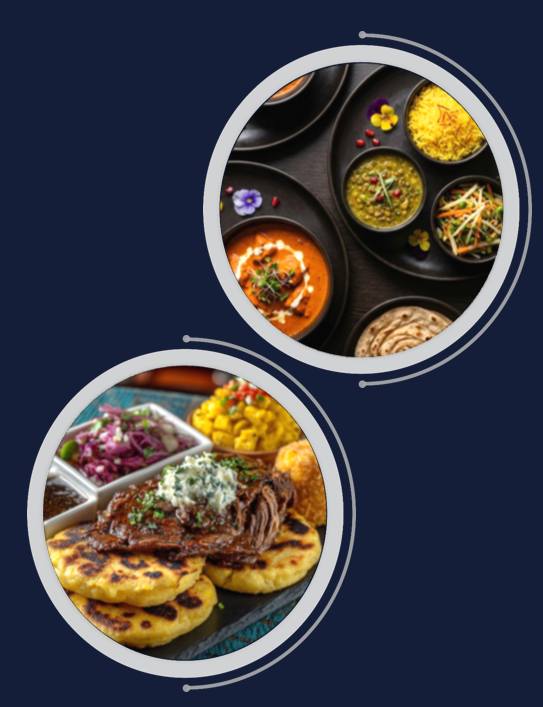
The most successful reinvented ethnic concepts have authentic chef-driven narratives. Diners value personal connections: chefs who cook grandmother’s recipes with modern techniques, immigrants who reinterpret homeland flavors, or cultural ambassadors who research disappearing culinary traditions. These narratives create emotional resonance that transcends flavor.
- Personal stories of heritage, research, and cultural preservation
- Social media amplifies narratives before first restaurant opening
- Chefs leverage TikTok, YouTube for cultural education and technique sharing
- Diners participate in cultural celebration, not just consume sustenance
- Build devoted followings through authentic storytelling and transparency
Market Projections: Ethnic Cuisine
$85B
CURRENT US MARKETEthnic food market value in United States alone, with reinvented segment growing at twice the rate of traditional |
$140B
PROJECTED BY 2030Expected market value by 2030, reflecting shifting demographics and mainstreaming of global flavors |
$2B+
CAVA MARKET CAPFast-casual ethnic concepts can achieve scale while maintaining quality and cultural authenticity |
2xGrowth
REINVENTED VS TRADITIONALReinvented ethnic segment growing at nearly twice the rate of traditional ethnic restaurants |
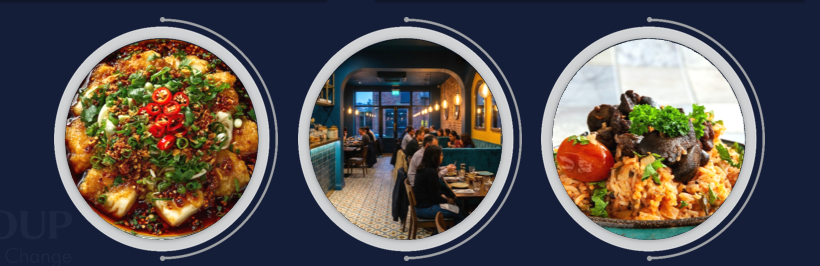
Figure 1: Visual representation of the data above
Reinvented Ethnic Cuisine: Examples
- Hoppers: Elevated Sri Lankan street food in contemporary London settings
- Bao: Modern Taiwanese small plates and elevated bao with creative toppings
- Kricket: Contemporary Indian cuisine with British seasonal ingredients
- Semma: Michelin-starred modern South Indian cuisine in New York
- Tacos 1986: Contemporary California-Mexican fusion in Los Angeles
- Souvla: Modern Greek rotisserie and salads in San Francisco
- Each demonstrates regional specificity, quality execution, cultural respect
- Success through honoring heritage while embracing contemporary innovation
Food as Medicine: Overview
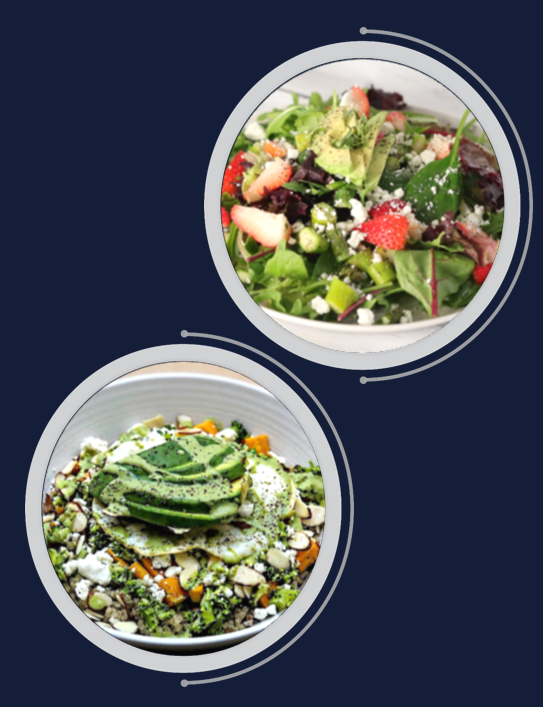
Food as Medicine has moved decisively beyond wellness margins into the operational core of hospitality and foodservice. What was once niche is now reshaping menu design, product development, guest expectations, and long-term brand strategy. As the industry enters 2026, Food as Medicine is about integration, enjoyment, and relevance, not restriction or discipline.
- Consumers seeking food that comforts, excites, and nourishes simultaneously
- Structural growth opportunity at intersection of health, trust, indulgence
- Wellness no longer lifestyle niche but universal expectation
- Health becoming baseline woven into entire experience, not discrete section
Consumer Attitudes & Market Size
$530B
FUNCTIONAL FOOD MARKETGlobal functional food and beverage market projected to surpass $530B by 2026, expanding at 8% CAGR since 2022 |
67%+ACTIVELY EAT HEALTHYOver two-thirds of US consumers report actively trying to eat healthy most or all of the time |
60%+PREMIUM WILLINGMore than 60% of consumers willing to pay premium for food offering additional health benefits |
95%
FIBER GAP95% of Americans fail to meet daily fiber recommendations, presenting clear commercial opportunity |
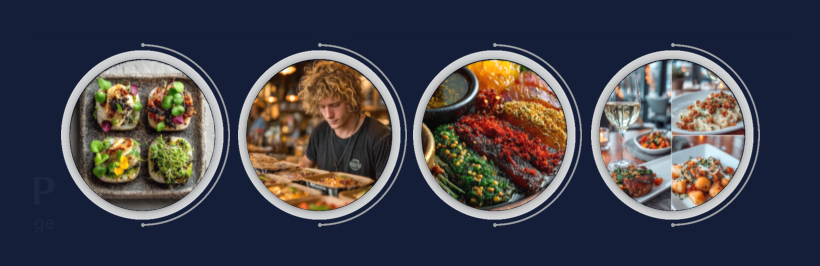
Figure 1: Visual representation of the data above
Mental & Emotional Wellbeing Focus
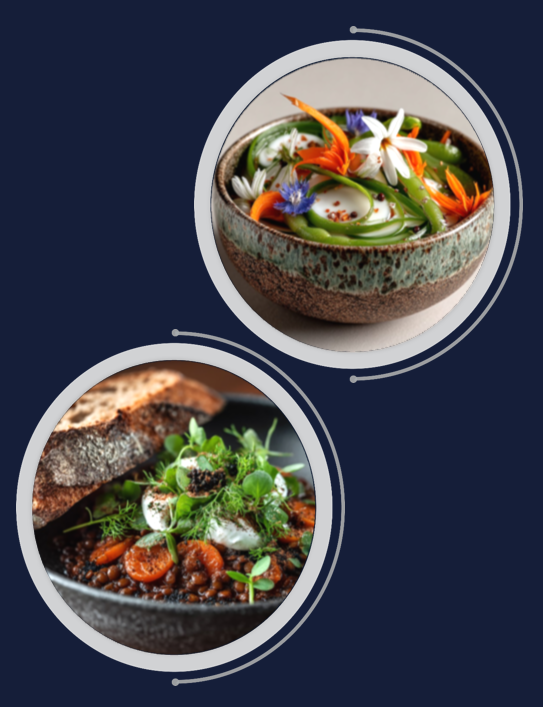
Earlier health-focused dining struggled because it was framed around exclusion. Low-fat, sugar-free, gluten-free models narrowed audiences and underperformed. The current phase is fundamentally different: additive rather than subtractive. Consumers no longer ask what food removes, they ask what it contributes: more fiber, protein, micronutrients, functional benefit, without diminishing satisfaction.
- Fermented foods: kimchi, miso, kombucha, sourdough for gut health
- Functional mushrooms: lion’s mane, reishi, cordyceps for cognitive benefit
- Adaptogens and botanicals integrated quietly into familiar dishes
- Food as Medicine succeeds when it feels invisible and intuitive
Food as Medicine: From Exclusion to Addition
Earlier health-focused dining struggled because it was framed around exclusion. Low-fat, sugar-free, gluten-free models narrowed audiences and underperformed. The current phase is fundamentally different: additive rather than subtractive. Consumers no longer ask what food removes, they ask what it contributes: more fiber, protein, micronutrients, functional benefit, without diminishing satisfaction.
- Fermented foods: kimchi, miso, kombucha, sourdough for gut health
- Functional mushrooms: lion’s mane, reishi, cordyceps for cognitive benefit
- Adaptogens and botanicals integrated quietly into familiar dishes
- Food as Medicine succeeds when it feels invisible and intuitive
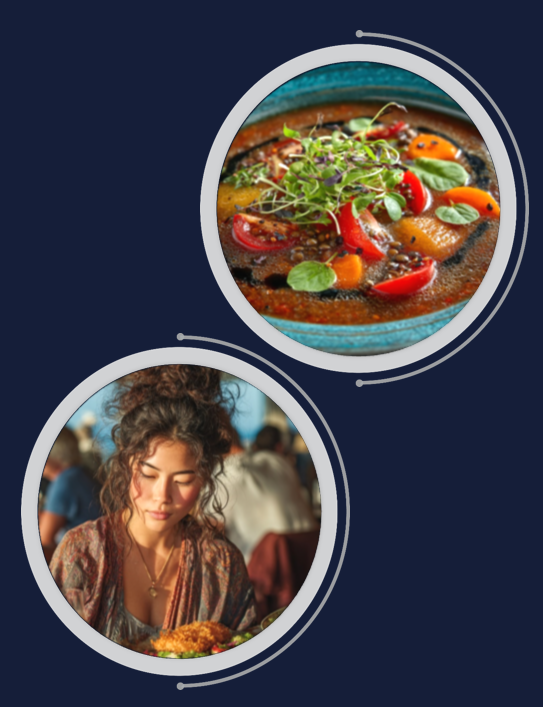
Non-Alcoholic Cocktails: Market Overview
Non-alcoholic cocktails have crossed a threshold: no longer nice-to-have for Dry January or designated drivers, zero-proof is becoming permanent pillar of beverage strategy. Heading into 2026, this is driven by structural change in drinking behavior, rapid improvement in product quality, and new cultural norm around moderation. This is not abstinence movement; it is occasion management movement.
- Consumers choosing when to drink alcohol, how much, what role it plays
- Great options expected at every level of ABV, not just full-strength
- Fastest growth in less mature segments: no-alcohol RTDs, alcohol adjacents
- Modern mocktails: spritz-style serves, sophisticated aperitifs, spirit-free cocktails
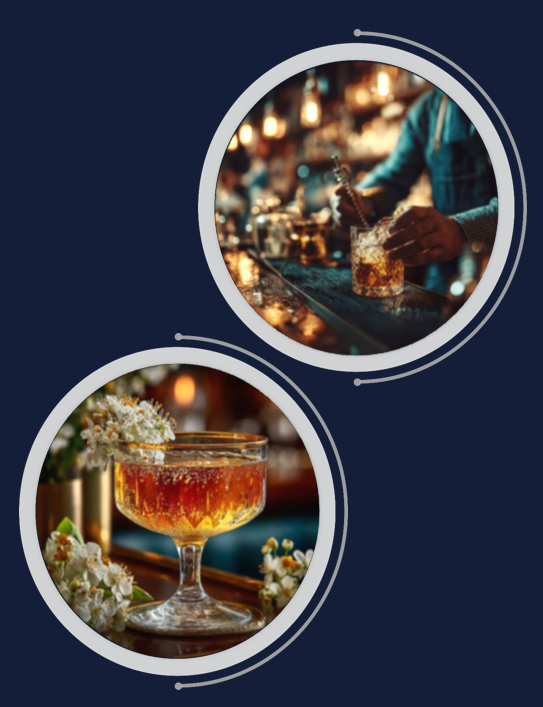
NA Cocktails: Growth Metrics
$5B
US MARKET BY 2028IWSR forecasts US no-alcohol market approaching $5B by 2028, growing at 18% volume CAGR from 2024-2028 |
20%+RTD CAGRNo-alcohol RTDs and alcohol adjacents each projected to grow at over 20% volume CAGR through 2028 |
$12.15B
GLOBAL RTD MOCKTAILSGlobal ready-to-drink mocktails market projected to reach $12.15B by 2030, growing at 5.7% CAGR |
$681.SMNA SPIRITS MARKETGlobal non-alcoholic spirits market on track to reach $681.SM by 2030, expanding at 8.7% CAGR |
Figure 1: Visual representation of the data above
NA Cocktails: Cultural Shift
The cultural story behind mocktails has matured. This is less about sober curious as identity, and more about flexible moderation as lifestyle: weeknight restraint, wellness goals, productivity, training schedules, GLP-1 behavior changes, pregnancy phases, and simple desire to enjoy ritual of great drink without consequences. Even major alcohol producers are repositioning around this reality.
- AB InBev expanding de-alcoholisation capacity to meet growing demand
- No-/low becoming serious growth driver globally
- Moderation as lifestyle choice, not permanent abstinence declaration
- Consumers managing occasions strategically across their week
- Mocktails shifting from secondary menu page to core beverage architecture
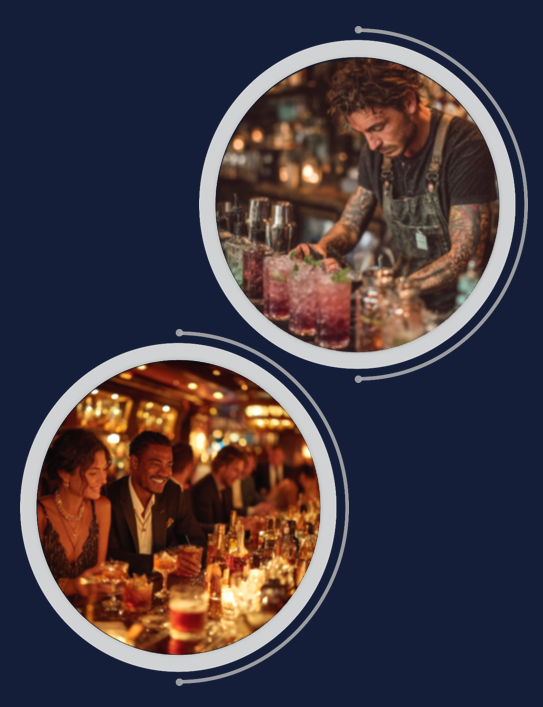
Product Evolution & Quality Improvement
Taste has improved dramatically. First wave of NA drinks suffered from thinness: too sweet, too flat, too soft drink. In 2026, the best programs are built like real cocktail programs with complexity, depth, and sophistication. Spirit alternatives, RTD scale, and bar-quality execution enable mocktails that rival alcoholic counterparts in flavor, presentation, and experience.
- Spirit-alternative ecosystem growing to power on-premise programs
- Combination of RTD scale plus sophisticated execution driving adoption
- Focus on complexity, balance, and presentation standards
- Investment in training, ingredients, glassware matching cocktail programs
- Zero-proof becoming profit center, not accommodation or afterthought
Key Takeaways: Consumer Quadrants
- Four consumer mindsets are situational, not fixed demographics
- Same guest shifts between Quality, Value, Nostalgia, Adventure by occasion
- Strategic opportunity lies in serving multiple mindsets with clarity
- Brands attempting to be everything at once risk confusion
- Build portfolio where each quadrant has clear product stack and logic
- Quality Seekers drive premium pricing and loyalty
- Value Seekers drive frequency and volume through intentional design
- Nostalgia Seekers drive repeat visitation and cross-generational appeal
- Adventure Seekers drive cultural relevance and social amplification
Key Takeaways: Food Trends
- Maximalist Flavor: Layered, bold, visually dramatic dishes drive shareability
- Functional Foods: Integration into mainstream menus without sacrifice
- Swavory Evolution: Sweet-savory balance appealing to sophisticated palates
- Plant-Forward: Abundance and flavor over restriction and ideology
- Reinvented Ethnic: Regional specificity replacing generic fusion
- Food as Medicine: Additive benefits, invisible integration, lifestyle support
- Non-Alcoholic: Occasion management becoming permanent beverage pillar
- Heritage Reclaimed: Emotional continuity with contemporary execution
- Each trend aligns with specific consumer quadrants for commercial success

Key Takeaways: Operational Strategy
- Technology maturation: Al and automation becoming background infrastructure
- Use technology to elevate hospitality, not replace human connection
- Heritage brands re-emerging through thoughtful refresh, not reinvention
- Brand longevity tied to clarity of identity and consistency
- Innovation means blending new with familiar, not radical disruption
- Intentionality defining success: selective operators, discerning consumers
- Return to fundamentals: quality, consistency, trust, emotional resonance
- Progress measured by performance across time, channels, consumer moods
- Hybrid formats and non-traditional venues reducing barriers to entry
Investment & Growth Opportunities
- Ethnic cuisine market growing from $85B to $140B by 2030
- Reinvented ethnic segment growing at twice the rate of traditional
- Functional food market surpassing $530B globally by 2026
- No-alcohol beverage market approaching $5B in US by 2028
- Premium consumers willing to pay for quality, transparency, benefit
- Food as Medicine driving frequency and loyalty across dayparts
- Regional specificity and chef-driven narratives creating brand equity
- Technology enabling personalization, efficiency, cultural education
- Brands embedding wellness into core proposition showing durability
2026 Action Plan
- Map your menu and brand positioning to the Four-Quadrant framework
- Identify which consumer mindsets you serve best and with clarity
- Integrate 2-3 priority trends aligned with your quadrant positioning
- Invest in menu R&D combining innovation with familiarity
- Upgrade technology infrastructure for personalization and efficiency
- Refresh heritage elements with better ingredients and cleaner execution
- Build beverage programs including zero-proof as permanent pillar
- Develop chef-driven narratives and cultural storytelling capabilities
- Test hybrid formats and non-traditional venues to expand reach
- Measure success by consistency, loyalty, and cross-occasion performance
About the Author, Robert Ancill
 Robert Ancill is a globally recognized hospitality strategist, restaurant innovator, and industry thought leader with more than three decades of experience shaping restaurant, foodservice, and retail brands worldwide. He is the Chief Executive Officer of The Next Idea Group (TNI) and TNI Consulting, where he advises restaurant groups, hospitality companies, private equity firms, and developers on growth strategy, brand positioning, design, and long-term relevance.
Over the course of his career, Robert has worked across 20+ countries, partnering with both emerging concepts and iconic heritage brands to unlock value, modernize operations, and drive sustainable performance. His work spans the full lifecycle of restaurant development, from concept creation and franchising strategy to design-led transformation, operational optimization, and technology integration. He is particularly known for guiding legacy brands through successful reinvention while preserving the emotional equity that made them meaningful in the first place.
Robert is widely respected for his forward-looking insight into consumer behavior, food and beverage trends, restaurant design, and experiential hospitality. Each year, he leads the research and development of TNI’s global trend forecasting initiatives, blending in-market intelligence, data analysis, and cultural observation to help clients anticipate change rather than react to it. His strategic frameworks are frequently used by executive teams and boards to inform capital deployment, portfolio strategy, and brand evolution.
Robert is also the author of three books on the restaurant and hospitality industry, available through his website, robertancill.com. These works draw on decades of global experience and offer practical, executive-level insight into restaurant strategy, brand development, innovation, and the evolving dynamics of food, hospitality design, and consumer behavior. Written for operators, owners, and industry leaders, his books reflect the same philosophy that underpins his consulting work, balancing creativity with commercial discipline to help hospitality brands build relevance, resilience, and long-term success.
As a trusted advisor to ownership groups and senior leadership teams, Robert brings a rare combination of creative vision and commercial rigor. His work is grounded in real-world execution, financial discipline, and a deep understanding of how food, design, technology, and culture intersect to drive guest loyalty and long-term brand equity. Through TNI and its subsidiaries, he continues to shape the future of the global hospitality industry, helping brands not only adapt to change, but lead it.
Sources & Glossary
- The Next Idea Consulting Street team 2025 research (300 separate restaurant and Grocery store visits across USA)
- Euromonitor International. (2025). Global restaurant industry trends and consumer behavior analysis. Euromonitor.
- IBISWorld. (2025). Bubble tea shop industry in the United States. IBISWorld Industry Report.
- Grand View Research. (2025). Global functional food and beverage market size, share & trends analysis report. Grand View Research.
- Mordor Intelligence. (2025). Bubble tea market analysis and growth trends. Mordor Intelligence.
- POI Data Platform. (2025). U.S. bubble tea store count and location intelligence. POI Data.
- Foursquare. (2019). Venue data analysis: Bubble tea shop growth (2015–2019). Foursquare Labs.
- IWSR. (2024). U.S. no- and low-alcohol beverage market forecast (2024–2028). IWSR Drinks Market Analysis.
- Whole Foods Market. (2025). 2026 food and beverage trend forecast. Whole Foods Market.
- Nation’s Restaurant News. (2024–2025). Food, beverage, and restaurant industry trend coverage. Informa.
- QSR Magazine. (2024–2025). Brand recovery and restaurant performance analysis. WTWH Media.
- Country & Townhouse. (2025). Food and drink trends shaping premium frozen and convenience categories. Country & Townhouse.
- Cookist. (2025). Global food trends driven by Gen Z and sustainability. Cookist Media Group.
- Innova Market Insights. (2025). Top food and beverage trends 2026. Innova Market Insights.
- Accio. (2025). Industry synthesis: Health, pleasure, sustainability, and affordability. Accio Research.
- People.com. (2025). M&M’s debuts POP’d freeze-dried candies. People Magazine.
- Food & Wine. (2025). Skittles Gummies Fuego and the rise of sweet-spicy snacks. Food & Wine.
- Delish. (2025). Trader Joe’s enters the prebiotic soda category. Delish Media.
- People.com. (2025). Shake Shack introduces GLP-1-aware menu options. People Magazine.
- The Australian. (2025). Black sesame emerges as a dessert and beverage flavor trend. The Australian.
- People.com. (2025). McCormick names black currant as flavor of the year. People Magazine.
- The Scottish Sun. (2025). High-fiber bakery and nutrient-dense food innovation. News Group Newspapers.
- The Times. (2025). Protein-rich snacks and seafood jerky trends. The Times.
- Associated Press. (2025). Bubble foods and spherification in modern cuisine. AP News.
- Tastewise. (2025). Avocado trends: Menu penetration and analytics. Tastewise.
- FreshFruitPortal. (2024). U.S. avocado imports quadrupled since 2010. FreshFruitPortal.
- Wall Street Journal. (2024). Why America now eats a record number of avocados. The Wall Street Journal.
- AVOGO Foods. (2025). Product portfolio and avocado-based innovation. AVOGO Foods.
- Avo. (2025). Avocado-forward menu concepts. Avo NYC.
- Food Republic. (2024). Avocaderia and the rise of avocado-centric restaurants. Food Republic.
- MenuList. (2025). Avocaderia menu structure and offerings. MenuList.
- Amazon. (2025). Guacamole-based bun and avocado ingredient innovations. Amazon Marketplace.
- McKinsey & Company. (2024). Restaurant operations, complexity, and margin performance. McKinsey.
- Deloitte. (2024). Consumer trust, brand clarity, and operational performance. Deloitte Insights.
- Company earnings calls and investor presentations. (2024–2025). Starbucks; Bloomin’ Brands; McDonald’s; Papa John’s; Dave & Buster’s; Chipotle.
- Grand View Research. (2025). Ready-to-drink mocktails market size and forecast to 2030. Grand View Research.
- GII Research. (2025). Non-alcoholic spirits market forecast. GII Research.
- The Guardian. (2024). Investment and scaling of no- and low-alcohol beverages. The Guardian.
- The Guardian. (2024). Mocktail experimentation as a cultural adoption signal. The Guardian.
- VinePair. (2025). Non-alcoholic beverage category overview. VinePair Media.
- Entrepreneur. (2025). Curious Elixirs and the growth of zero-proof brands. Entrepreneur Media.
Contact
info@tnirestaurantconsultants.com / info@robertancill.com
Office: (818) 343-5393/ (747) 249-4320
Trend Report 2026: https://restaurantguru.samcart.com/products/the-ultimate-guide-to-2026-restaurant-food-trends
Books:
- The Ultimate Guide to Modern Restaurant Marketing
- The Ultimate Guide to Being a Traveling Restaurant Consultant
- The Ultimate Guide to Restaurant Design