
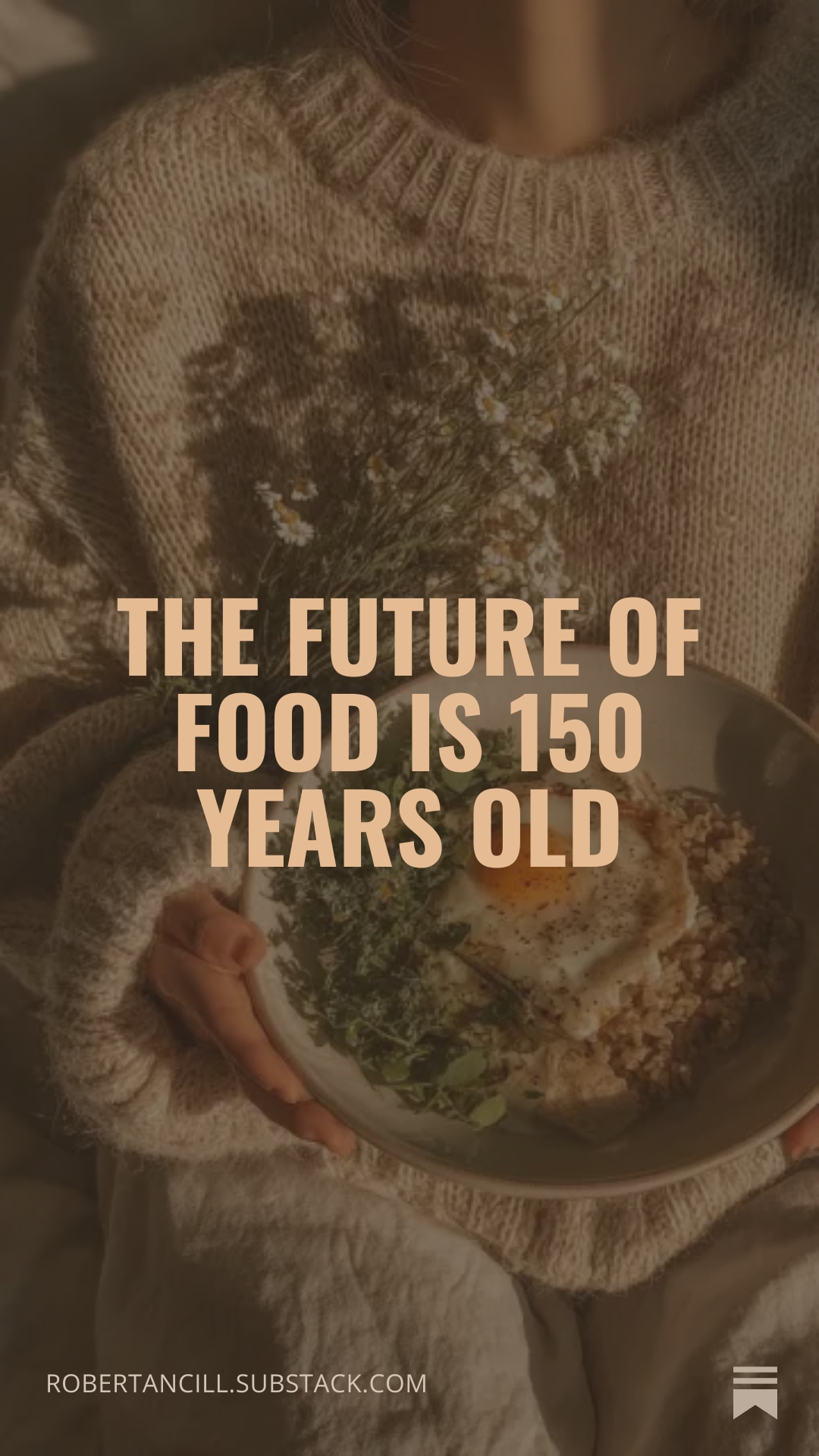
It is 1875, you are in a working kitchen; the room is modest but purposeful. A wood fire holds steady beneath a cast-iron pot. Grain has been milled recently enough to still smell alive. Eggs arrive with straw and soil clinging to their shells. Carrots are crooked, cabbages are heavy, and nothing is uniform. In the corner, a crock ferments quietly. Bones roast before becoming broth. Nothing is rushed. Nothing is decorative. You can smell smoke woven into the grain of the timber, yeast rising gently from the bread, sweet earth clinging to the vegetables, and the deep, almost medicinal richness of bones surrendering to heat, the scent of food becoming something more than ingredients.
- Home
- About US
- Services
- Trend Audit
- Trend Mapping
- British Restaurant & Hospitality Brands
- General Consulting
- The Tolerance Index
- Turnarounds
- Micro Market Consulting
- Technology Consulting
- Operations Consulting
- Commercial Kitchen Design
- New Concept Development
- Start Up Support
- Vendor Management
- Executive Coaching
- Restaurant ZOPA
- Menu Engineering
- Restaurant & Hospitality Design Services
- Food Service Contract Consulting
- Books
- Articles & Tips

- FAQs
- Contact us
OUR ADDRESS
Email: info@tnirestaurantconsultants.com
Phone/Text: 747 249 4320
CONTACT US
Whether you’re looking for answers, want help solving a challenge, or just want to tell us how we did, we’d love to hear from you.