

Heritage Restaurant Brand Consulting & Repositioning
Helping Established Restaurant Brands Become Relevant Again Without Losing the Reasons People Loved Them
Heritage restaurant brands occupy a peculiar position in the market. They often possess the very things newer concepts spend years trying to build: familiarity, recognition, emotional memory, established customer trust and a place in the cultural landscape. Customers remember birthdays, family dinners, first dates, weekend rituals, signature dishes and dining occasions attached to the brand. That history can be commercially powerful, but it can also become a constraint if the organization begins to confuse age with equity and familiarity with relevance.
The central challenge for a heritage restaurant brand is therefore not simply how to modernize. It is how to modernize intelligently. The brand needs to evolve enough to remain part of the customer’s consideration set, while preserving the emotional and cultural signals that gave the business meaning in the first place. This is a very different exercise from conventional rebranding. It requires management to determine which parts of the brand are genuinely valuable, which have become friction, which deserve reinterpretation and which have simply remained unchanged because no one has challenged them.
TNI Restaurant Consultants works with established, legacy and heritage restaurant brands on exactly this type of transformation. Our role is not to erase history or impose a fashionable new identity over an existing business. It is to help operators understand what the brand still means, where it has drifted from the contemporary customer and how strategy, menu, design, operations, technology and service can be realigned around the next phase of growth.
Our work is grounded in the belief that heritage should be treated as an asset, not as a museum. The strongest legacy brands are not those that preserve everything. They are those that preserve the right things.
The Heritage Restaurant Paradox
The difficulty begins with a paradox. The characteristics that make a heritage restaurant brand valuable can also make it resistant to change. Customers want familiarity, but they also expect contemporary standards. They may love the memory of a restaurant while no longer visiting it with the same frequency. They may speak warmly about the brand while choosing newer concepts when the actual dining decision is made.
This distinction is fundamental. Emotional affection and customer choice are not the same thing.
Many mature restaurant companies still enjoy significant awareness and goodwill even as traffic softens. Management may look at brand recognition and conclude that the underlying proposition remains strong. Yet the real problem often sits elsewhere. The restaurant is remembered, but no longer selected often enough. It remains familiar, but it is losing its place in the customer’s active decision set.
That is the point at which heritage becomes a strategic issue rather than simply a branding issue.
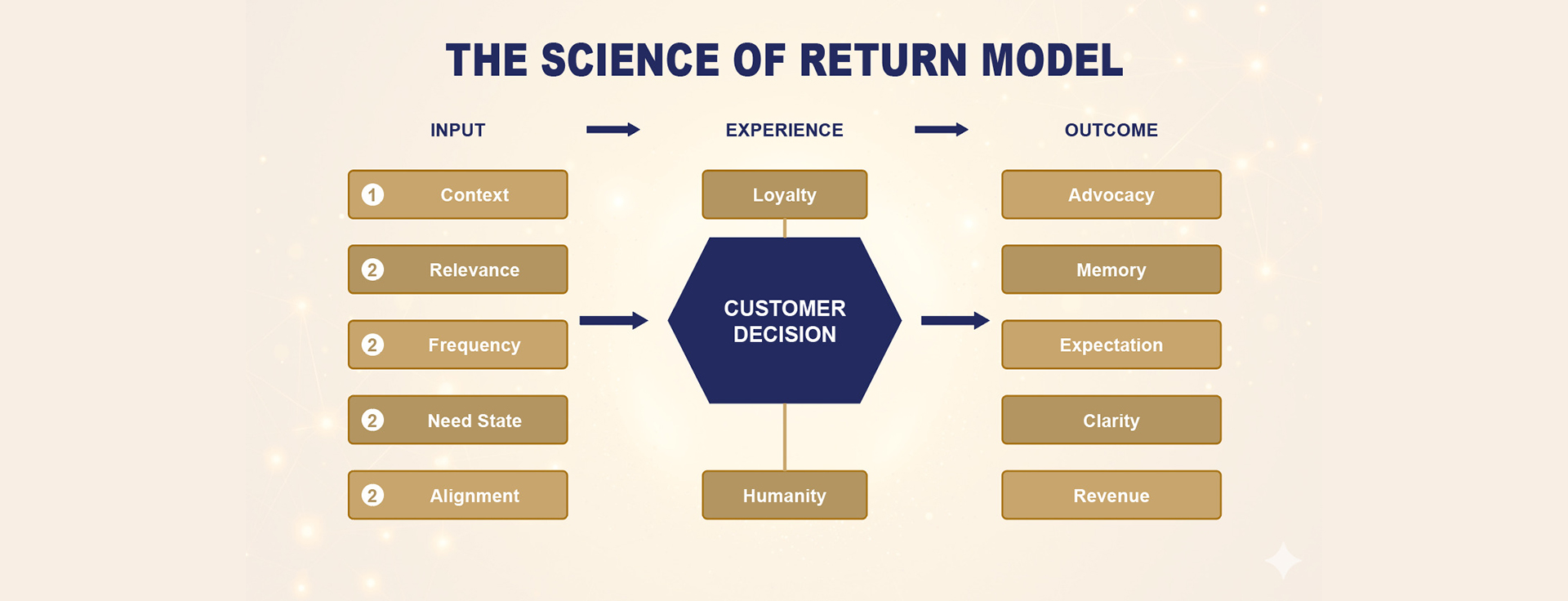
Robert Ancill’s The Relevance Code explores this gap in detail. The framework argues that customers rarely disappear all at once. They drift. A familiar choice becomes less automatic, a visit becomes less frequent, alternatives are considered more often and, eventually, the customer reallocates their behavior. The brand may still be liked, but liking no longer translates into enough visits.
This is why TNI approaches heritage restaurant transformation through the lens of relevance rather than reinvention. The critical question is not whether the restaurant is still known. It is whether it is still sufficiently aligned with the customer’s needs, expectations and dining occasions to be chosen today.
Relevance Without Erasure
Heritage restaurant repositioning is often mishandled because organizations move too far in one of two directions. Some protect the past so aggressively that the business becomes increasingly disconnected from the market. Others attempt to modernize so dramatically that they remove the very characteristics that gave customers a reason to care. Neither approach is particularly sophisticated. The stronger approach is selective preservation.
TNI begins by identifying the elements of the brand that carry genuine customer meaning. These may include signature menu items, service rituals, architectural cues, color palettes, uniforms, slogans, visual symbols, pricing expectations, hospitality behaviors or simply the emotional atmosphere customers associate with the restaurant. Those elements are not preserved automatically. They are assessed for the role they play in memory, recognition and return behavior.
At the same time, we separate those assets from inherited friction. A long menu is not heritage simply because it has existed for twenty years. Poor lighting is not heritage. A slow payment process is not heritage. Worn interiors, confusing circulation, outdated technology and operational inefficiency are not part of the brand’s emotional core simply because customers have tolerated them for a long time.
This distinction matters because it gives established restaurant companies permission to change more than they sometimes believe is possible. Once management understands what genuinely creates emotional equity, the rest of the business can be modernized far more confidently. The objective is not to make the restaurant feel new. It is to make it feel relevant again.
Loved Is Not the Same as Chosen
One of the most important commercial insights in heritage restaurant strategy is that customers can continue to love a brand while visiting it less often.
That behavior is easy to misunderstand. Traditional brand research may show strong recognition, positive sentiment and high levels of nostalgia. Yet those indicators can coexist with declining frequency. The customer may still have affection for the restaurant but increasingly reserve that affection for memory rather than behavior. The reason is that the competitive set has expanded. A heritage casual dining restaurant is no longer competing only with other casual dining brands. It competes with fast casual, local independents, delivery, prepared grocery food, premium convenience, at-home cooking and the decision not to dine out at all.
This broader decision environment changes the role of brand awareness. Familiarity remains useful, but familiarity alone does not guarantee selection. The Relevance Code describes relevance as the first condition of choice. A restaurant may improve food, service or design and still fail to increase demand if it is not entering the customer’s consideration set in the first place.
This is especially important for heritage restaurant brands because their challenge is often not awareness but reconsideration. Customers already know who they are. The strategic task is to give those customers a contemporary reason to return.
Repositioning the Brand Without Losing the Brand
Restaurant brand repositioning begins with understanding what the brand currently means, not what management believes it means. Internal perceptions are often distorted by proximity. Leadership teams live with the brand every day. Customers interact with it occasionally and compare it with every alternative available in the market. The gap between those two perspectives can become substantial over time.
TNI evaluates heritage brands across customer relevance, competitive positioning, menu, price architecture, value perception, restaurant environment, service, operations, technology, convenience and broader market trends. We look for the differences between historic brand meaning, current customer experience and future opportunity.
That work usually leads to a more precise strategic direction. Some elements need to be preserved. Others need to be refreshed, simplified or repositioned. Certain products may need to be elevated because they still carry memory and identity. Others may need to be removed because they create operational complexity without generating meaningful demand. The purpose is not to make a heritage brand look younger. It is to make the proposition clearer, more useful and more commercially relevant to a broader range of contemporary customers.
Sizzler and the Commercial Value of Reconsideration
TNI’s work with Sizzler provides a strong example of how heritage restaurant repositioning can translate into measurable commercial performance.
The opportunity was not simply to make the restaurants look newer. Customers already knew the brand. Awareness was not the central challenge. The opportunity was to alter how customers interpreted the experience and to give them a new reason to reconsider a familiar restaurant.
Through remodel work and broader concept evolution, Sizzler locations achieved sales lifts of more than 45%. That result is significant because it demonstrates what can happen when design is treated as a commercial tool rather than a decorative exercise.
The remodels helped reframe the customer’s perception of the brand. Familiarity remained, but the context changed. The restaurant felt more current, more intentional and more aligned with contemporary expectations, while still retaining enough of the Sizzler identity that the customer did not feel they were walking into an entirely different concept. This is the strategic role of heritage restaurant remodeling. It is not simply about capital improvement. It is about changing customer behavior.
Restaurant Remodel Strategy for Heritage Brands
A heritage restaurant remodel should begin with commercial questions, not finish selections.
Which occasions is the brand currently losing? Which customer groups have reduced frequency? What parts of the experience communicate age rather than authenticity? Where is the physical environment creating friction? Which design elements still trigger recognition and comfort? Which parts of the restaurant no longer support the menu, service model or operating economics?
These questions help determine where investment can generate the greatest return.
In some locations, the answer may involve a comprehensive remodel. In others, a lighter intervention around lighting, seating, signage, façades, restrooms, bars, food presentation or customer circulation may be more appropriate.
TNI can develop tiered remodel strategies for multi-unit brands so that capital investment is aligned with location potential rather than applying a single solution indiscriminately across the system.
This is particularly important for older restaurant estates, where unit economics, building conditions and market potential can vary substantially from one location to another.
Preserving Memory While Modernizing the Experience
Memory is one of the most underutilized assets in heritage restaurant strategy.
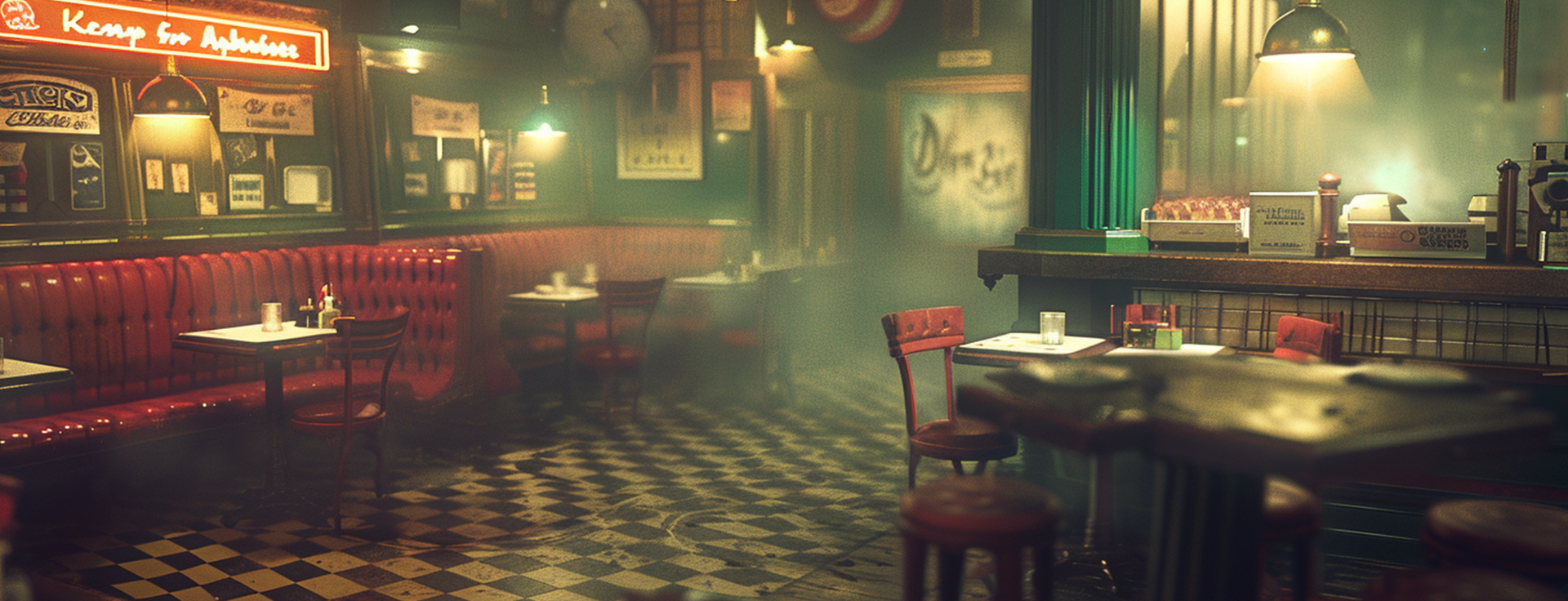
Customers do not experience long-established brands purely through product and price. Their relationship is partially emotional. A particular dish may remind them of family. A certain booth profile may feel familiar. A service ritual may connect the restaurant to childhood or tradition. These elements can become powerful triggers of return when they are handled carefully.
The mistake is assuming that memory requires literal preservation, it does not. The more useful strategy is reinterpretation. A historic menu item can remain while presentation improves. An old visual motif can inspire a contemporary interior. Original photography can become part of a modern storytelling system. A signature service ritual can be simplified while retaining its emotional effect.
This is what The Relevance Code describes through the idea of “new-stalgia”: the reinterpretation of familiar cues and experiences for contemporary expectations. For heritage brands, this creates an important bridge between generations. Existing customers recognize the brand they loved, while newer customers experience something that feels current rather than inherited.
Menu Modernization Without Menu Amnesia
Heritage restaurant menus are frequently where nostalgia and operational complexity collide most directly.
Long-established brands often accumulate menu items over decades. Products are added to capture trends, fill gaps or respond to local preferences, while older items remain because management fears removing them. The result can be large menus, excessive SKU counts, weak ingredient crossover, slower kitchens and confused customer choice. Yet aggressive simplification can be equally dangerous if it removes the items customers associate most strongly with the brand.
TNI approaches heritage menu engineering by distinguishing between products that create memory, traffic, profitability and operational complexity. Some items should remain precisely because they carry emotional and symbolic value, even if they would not be invented today. Others may require modernization in presentation, description, portion or recipe. Some may no longer justify their place at all. The goal is not a smaller menu for the sake of simplicity. It is a clearer menu that protects signature equity while improving commercial and operational performance. This thinking is reinforced by The Relevance Code, which examines how excessive choice can increase friction and reduce clarity. In many restaurant environments, customers do not reward more options; they reward easier decisions.
For heritage casual dining brands in particular, this creates a significant opportunity. Menu simplification can improve customer understanding while simultaneously reducing kitchen complexity, labor pressure, inventory and ticket times.
Value Strategy for Established Restaurant Brands
Value is another area where heritage restaurant companies frequently fall into old assumptions. The instinct during traffic pressure is often to discount. Yet price reduction does not necessarily resolve the underlying problem.
Customers increasingly evaluate value through a broader relationship between what they spend and what they believe they receive. Portion, quality, service, atmosphere, convenience, trust, experience and price all contribute to whether the transaction feels justified. This distinction has major implications for mature restaurant brands. Discounting can create short-term transactions while simultaneously weakening the perceived value of the core proposition. At the other extreme, price increases that are not matched by stronger food, service or experience can accelerate customer disengagement.
TNI therefore looks at pricing architecture, portions, bundles, menu engineering, promotions, service and environment together. The question is not simply whether the restaurant is cheap enough. It is whether the overall experience feels worth what the customer is being asked to pay.
Restaurant Customer Experience Transformation
Heritage restaurant brands often think about customer experience primarily through dining-room service.
That is no longer sufficient. The modern customer may encounter a restaurant through search, social media, Google Maps, a reservation platform, a delivery app, an email, a loyalty program or a digital menu before ever entering the building. This means the customer journey now extends far beyond the restaurant itself. TNI examines that journey from discovery through consideration, arrival, ordering, service, payment, departure and return. We look for friction that may have become normalized internally but increasingly matters externally.
That can include confusing entrances, weak websites, slow host processes, outdated reservation systems, poor digital ordering, inconsistent takeout experiences, complicated loyalty programs, unclear menus or slow payment. The objective is not to digitize every interaction. It is to remove unnecessary effort. Heritage brands are especially well positioned to benefit from this because they already possess trust and recognition. Improving convenience can unlock value that is already sitting inside the brand.
Technology Modernization Without Losing Humanity
Many heritage restaurant companies operate with technology that has accumulated over decades.
POS platforms, kitchen systems, loyalty programs, workforce tools, inventory software and reporting systems may have been added incrementally without ever being considered as one integrated operating environment, the result is often complexity rather than efficiency.
TNI evaluates restaurant technology through the lens of the operation. We can assess POS, Kitchen Display Systems, inventory, scheduling, digital ordering, CRM, loyalty, reservations, data analytics, AI, kiosks and emerging automation in relation to how the brand actually needs to operate. The objective is to modernize the experience without removing the humanity that often forms part of the brand’s emotional value.
This is particularly important for heritage restaurant companies. A customer who has visited a brand for twenty years should not suddenly feel that the restaurant has become impersonal simply because new technology has been introduced. The best technology removes friction while preserving warmth.
Operational Transformation Behind the Brand
Brand repositioning cannot succeed if the operating model behind it remains unchanged. A new restaurant environment raises expectations immediately. Customers assume that food, service, speed and execution have also improved. If the physical transformation is not supported by operational transformation, the gap becomes obvious very quickly. TNI therefore works across labor, service, kitchen production, food cost, inventory, purchasing, scheduling, training, management systems, customer care and corporate reporting as part of the heritage repositioning process.
This is where strategy becomes execution; the objective is to ensure that the restaurant can consistently deliver the promise created by the new positioning, rather than relying on design and marketing to compensate for operational weaknesses.
Commercial Kitchen and Back-of-House Modernization
Many legacy restaurant kitchens were designed for a different era. Menus have expanded, equipment has changed, labor models have evolved and technology has been layered into spaces that were never designed to support it.
Over time, these kitchens can accumulate inefficiency. TNI evaluates kitchen layouts, cooklines, prep areas, storage, refrigeration, warewashing, equipment, food movement and production capacity as part of a wider restaurant modernization program. The objective is not simply to replace old equipment. It is to align the kitchen with the future menu and operating model. Better back-of-house planning can improve throughput, reduce labor movement, support menu simplification and create the infrastructure required for new technology and service channels.
Restaurant Architecture, Design and Prototype Development
For multi-unit heritage brands, repositioning has to be scalable.
A single successful flagship remodel is not enough if the broader system cannot adopt the strategy economically. TNI translates repositioning into architectural prototypes, design standards, equipment packages and scalable remodel programs. These can be structured around different investment levels, allowing operators to apply full, medium or light refreshes according to the economics and potential of individual sites. This creates a more disciplined approach to capital allocation. The prototype becomes more than a visual design. It becomes a repeatable operating and investment framework.
Relevance Mapping and Customer Behavior
Traditional customer research often focuses heavily on what consumers say, TNI is equally interested in what they do. This is particularly important for heritage brands because positive sentiment can mask weakening behavior. Customers may express strong affection while visiting less frequently. The Relevance Code describes the modern customer as situational. The same individual may prioritize convenience, value, quality or experience depending upon the occasion.
This changes how heritage brands should think about customer strategy. The question is no longer simply, “Who is our customer?” The more useful question is, “When are we relevant to them?” TNI looks at occasions, barriers, frequency, value perception, competitive substitution and customer decision drivers to understand where the brand currently participates and where it has lost ground. That can reveal opportunities that traditional demographic segmentation misses entirely.
Trend Mapping for Heritage Restaurant Brands
Heritage brands need to understand trends without becoming trend-driven; this distinction is important.
Adding a fashionable ingredient to an old menu does not make a restaurant contemporary. Nor does introducing new technology simply because competitors are doing so. TNI Trend Mapping looks at the forces beneath the trend. What is changing in customer behavior? Is the driver health, convenience, value, portion expectation, time pressure, discovery, nostalgia or social experience? Is the trend durable or temporary? Does it fit the brand or would adopting it create confusion?
The Relevance Code makes a similar distinction, arguing that trends should be viewed as signals of changing relevance rather than instructions about what to sell. For heritage brands, this creates a far more disciplined approach to innovation, the goal is not to follow every market movement. It is to understand which movements matter to the brand’s future relevance.
Service Culture, Training and the Human Advantage
One of the strongest assets in many heritage restaurant brands is not physical at all, it is human. Customers remember servers, greetings, rituals, birthday celebrations, familiar hospitality and the feeling of being known.
These behaviors can become difficult to scale, particularly after years of turnover, labor pressure and operational standardization. TNI assists restaurant companies rebuild service culture through training, management systems, customer care standards, leadership development and role clarity. This becomes increasingly important as technology expands. As ordering, payment and communication become more automated, human interaction can actually become more valuable because it becomes less common; a heritage brand with a strong service tradition should not remove that advantage. It should systematize it.
Multi-Unit Restaurant Turnaround Consulting
Heritage restaurant revitalization ultimately becomes an execution challenge.
A strategy presentation alone does not change customer behavior. The repositioning has to work across real restaurants, real teams, real kitchens, real franchisees and real budgets. TNI works with multi-unit restaurant companies on brand assessment, turnaround strategy, prototype development, remodel planning, menu optimization, operational improvement, technology strategy, commercial kitchen redesign, financial modeling, procurement, training and implementation. The objective is to connect strategic repositioning with practical operating reality. This is where many turnaround programs fail. The thinking may be correct, but the organization lacks a coordinated mechanism to implement it consistently; TNI’s strength lies in connecting the disciplines.
The Discipline of Protecting What Matters
The most important part of heritage restaurant repositioning may be knowing what not to change, this is where experience matters. Every mature brand contains elements that appear outdated internally but still carry significant customer meaning. Removing them carelessly can damage emotional equity that took decades to create.
The answer is not resistance to change. It is disciplined change. We look for the products, visual signals, stories, service behaviors and design cues that continue to create recognition and memory, and we protect those deliberately while modernizing the systems around them. That is consistent with The Relevance Code, which places memory alongside relevance, humanity, clarity and alignment as one of the elements influencing return behavior. A heritage brand should not be preserved because it is old, it should be preserved where it is still meaningful.
From Heritage to Relevance
The strongest heritage restaurant brands do not need to choose between history and progress.They need to understand how to use history as a competitive asset while rebuilding the business around contemporary customer behavior. That requires more than a new logo, more than a remodel and more than a menu refresh. It requires a coordinated strategy connecting brand, menu, design, operations, technology, customer experience, value and service. TNI Restaurant Consultants works with heritage restaurant brands determine what should remain, what should evolve and what has simply been left unchanged for too long.
Our work with Sizzler, where remodeled restaurants achieved sales lifts of more than 45%, demonstrates the commercial opportunity that can emerge when an established restaurant brand gives customers a credible reason to reconsider it. The broader principle, however, applies to every heritage restaurant company, Customers do not need the brand to become something else, they need it to become relevant again.
That means protecting the memory, removing the friction, clarifying the proposition and rebuilding the experience around the customer making a decision today. That is not abandoning heritage, it is how heritage remains valuable.