
Aligning Restaurant Concepts With What Actually Drives Demand

In today’s restaurant and foodservice landscape, trends move faster than most operators can realistically respond to. New ingredients, formats, technologies, and dining behaviors emerge constantly, but not all trends are created equal, and not every trend is right for every concept.

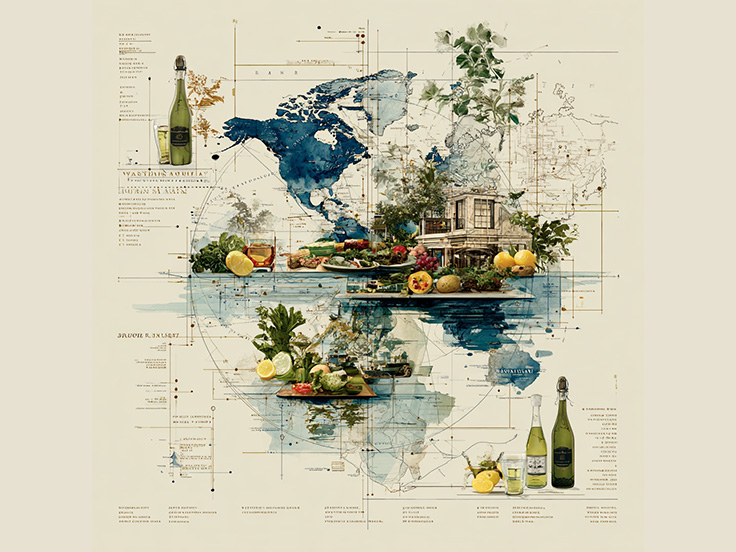
Trend Mapping is how TNI Restaurant Consultants brings clarity to that complexity.

Rather than chasing what’s new or loud, we identify which food, beverage, design, and consumer trends truly align with your concept, your guest, and your long-term business model. Trend mapping is not about adding trends on top of a brand. It is about connecting your brand to the trends that strengthen it.

From Trend Noise to Strategic Signal

The biggest mistake we see restaurants make is confusing visibility with viability. A trend may be popular on social media, but if it doesn’t align with your customer’s motivation, your operational reality, or your brand promise, it quickly becomes expensive distraction.

Our trend mapping process filters the noise and focuses on signal.

We start by understanding the core role your restaurant plays in your guest’s life. Are you a quality-driven destination? A value-oriented everyday choice? A comfort-led brand built on familiarity? Or a discovery-driven concept fueled by global flavor and cultural storytelling?

Once that role is clear, we map your concept to the consumer mindsets and demand patterns that actually influence where people choose to eat, what they order, how much they spend, and how often they return.

Mapping Trends to Real Consumer Motivation

Consumers do not choose restaurants randomly. Their decisions are shaped by emotional, financial, and cultural drivers that shift by occasion and daypart.

Trend mapping aligns your concept to these realities.

For some brands, success comes from leaning into quality and craftsmanship, premium ingredients, restrained execution, and trust-building consistency. For others, growth is driven by value and utility, where clarity, efficiency, and perceived fairness matter more than novelty. Many concepts thrive by delivering comfort and nostalgia, modernizing familiar dishes without erasing emotional connection. Others succeed by embracing adventure, global flavors, and authentic cultural specificity that invites discovery.

Trend mapping ensures your menu, experience, and messaging speak directly to the why behind guest behavior, not just the what.

Food Trends, Interpreted Through Your Brand

Food trends are only powerful when they are interpreted correctly.

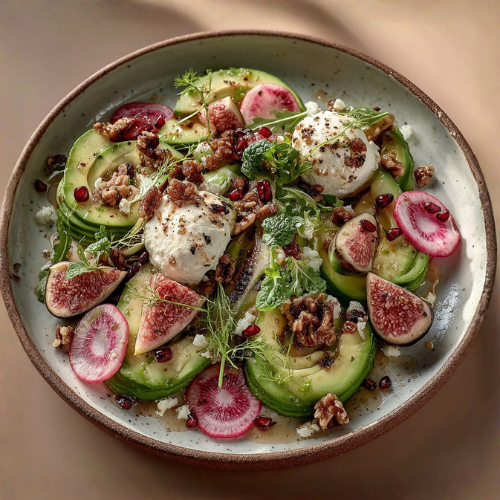
We map concepts to menu and product trends such as elevated staples, protein-forward comfort foods, plant-forward eating, functional ingredients, reinvented ethnic cuisine, and maximalist flavor systems, but always through the lens of brand fit and operational logic.

The question is never “Is this trend hot?”

The question is “Does this trend make sense for your concept?”

Trend mapping defines how a trend should show up on your menu, at what level of prominence, and in what format. Sometimes that means making a trend a hero. Other times it means using it as a subtle supporting element that enhances relevance without overwhelming the brand.

Beverage, Dayparts, and Margin Opportunities

Trends don’t stop at food.

Trend mapping also evaluates how beverage programs, daypart expansion, and non-traditional formats can unlock growth. This includes mapping concepts to zero-proof and low-alcohol strategies, functional and tea-forward beverages, texture-driven platforms like boba, and social, non-alcohol occasions that are reshaping restaurant traffic patterns.

For many operators, this is where trend mapping delivers the fastest financial impact, driving higher margins, broader appeal, and increased visit frequency without major kitchen disruption.

Design, Experience, and Brand Expression

A trend that works on the menu but fails in the dining room is not a win.

Trend mapping extends into design, layout, and experience, aligning your physical environment with contemporary expectations while respecting budget, flow, and operational efficiency. Whether a concept should express quiet luxury, modern nostalgia, or bold global energy is not a stylistic choice, it’s a strategic one.

We map design trends to brand positioning, ensuring the guest experience feels intentional, current, and commercially sound.

Grounded in Operational and Financial Reality

At TNI, trends are never evaluated in isolation.

Every recommendation is pressure-tested against labor models, food costs, supply chains, throughput, and scalability. If a trend increases complexity without delivering clear return, it doesn’t belong in your business.

Trend mapping ensures innovation works inside the P&L, not just in presentations.

Why Trend Mapping Creates Stronger, More Durable Brands

Restaurants that last are not the ones that chase every trend. They are the ones that adopt the right trends at the right moment, in ways that reinforce their identity instead of fragmenting it.

Trend mapping helps brands:

  • Stay culturally relevant without constant reinvention
  • Invest in trends that drive loyalty, margin, and repeat visits
  • Modernize without alienating core customers
  • Build concepts designed for longevity, not hype cycles

The TNI Approach to Trend Mapping

Our trend mapping process is informed by global research, real-world consulting, and deep operational experience. We don’t just identify trends, we translate them into clear strategic direction.

The result is confidence: confidence in what to pursue, what to ignore, and how to evolve with purpose.

Trend mapping is how restaurants move from reacting to the market to leading within it.