
Food & Beverage Operating Systems
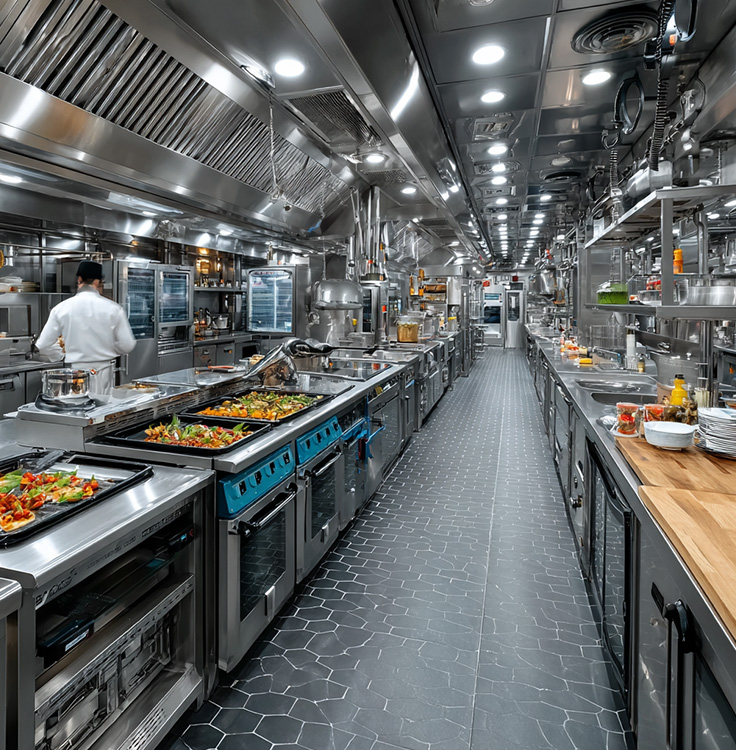
Restaurant & Hospitality Consulting for 2026 and Beyond
Advanced Restaurant Consulting for Owners, Investors, and Developers
The Next Idea (TNI) Restaurant Consultants, delivers advanced restaurant consulting, hospitality consulting, and food & beverage operating system design for organizations that require measurable financial performance, operational precision, and long-term asset value creation. In 2026, restaurant operations must function as fully integrated business ecosystems supported by data analytics, supply-chain intelligence, labor optimization strategies, and disciplined cost architecture. Our role as restaurant consultants is to design and implement scalable, technology-enabled operating systems that convert food and beverage concepts into high-performing financial assets.
With decades of international experience across multi-unit restaurant groups, luxury hospitality brands, retail-integrated dining platforms, mixed-use developments, government institutions, universities, airports, and commercial real estate portfolios, TNI provides foodservice consulting at the strategic level. We advise restaurant owners, hospitality executives, private equity firms, commercial developers, municipalities, and non-restaurant operators entering the food and beverage industry who require institutional-grade restaurant operations consulting rather than tactical advice.
Integrated Food & Beverage Operating Systems
Modern food and beverage consulting demands a systems-based methodology. TNI structures every engagement around a fully integrated Food & Beverage Operating System designed to improve EBITDA, strengthen cost controls, enhance labor productivity, and optimize revenue per square foot. We treat restaurant operations not as isolated departments but as synchronized performance engines that must operate cohesively to deliver sustainable profitability.
Our restaurant consulting framework defines three interdependent systems: food production systems, service delivery systems, and guest experience process systems. Food production is engineered through procurement strategy, inventory control, waste analytics, yield management, kitchen workflow optimization, and supply chain restructuring. Service delivery is designed as a revenue engine supported by POS integration, throughput modeling, labor deployment strategy, omnichannel ordering, and performance-based scheduling. The guest experience process integrates brand positioning, CRM systems, loyalty architecture, digital engagement strategy, and customer journey optimization to ensure that hospitality performance aligns with financial performance.
This integrated approach positions TNI not simply as restaurant consultants, but as architects of advanced hospitality operating systems capable of scaling across multi-unit portfolios and complex real estate environments.

Restaurant Operations Consulting & Financial Performance Engineering
Successful restaurant operations in 2026 require disciplined financial management supported by accurate benchmarking and real-time performance visibility. TNI provides restaurant operations consulting focused on cost ratio optimization, food cost management, labor cost control, inventory systems, and P&L performance diagnostics. Our hospitality consulting methodology integrates AI-informed variance analysis, vendor price benchmarking, group purchasing leverage, and contract renegotiation strategies to reduce overhead while preserving quality and brand integrity.
We recognize that restaurant failure is rarely driven by concept alone. Insufficient capitalization and operational mismanagement remain the two primary causes of underperformance. Even restaurants with strong locations, compelling menus, and positive guest sentiment will not survive without proper cost architecture. Our restaurant turnaround consulting services address cost-of-goods optimization, labor modeling, menu engineering, supply-chain redesign, utilities cost reduction, lease renegotiation, and overhead restructuring to restore profitability and stabilize cash flow.
Profitability is mathematical. When total operating costs exceed revenue capacity, the business model collapses. Our restaurant cost reduction programs focus on structural efficiency rather than reactive cutting, aligning operational discipline with measurable financial outcomes.
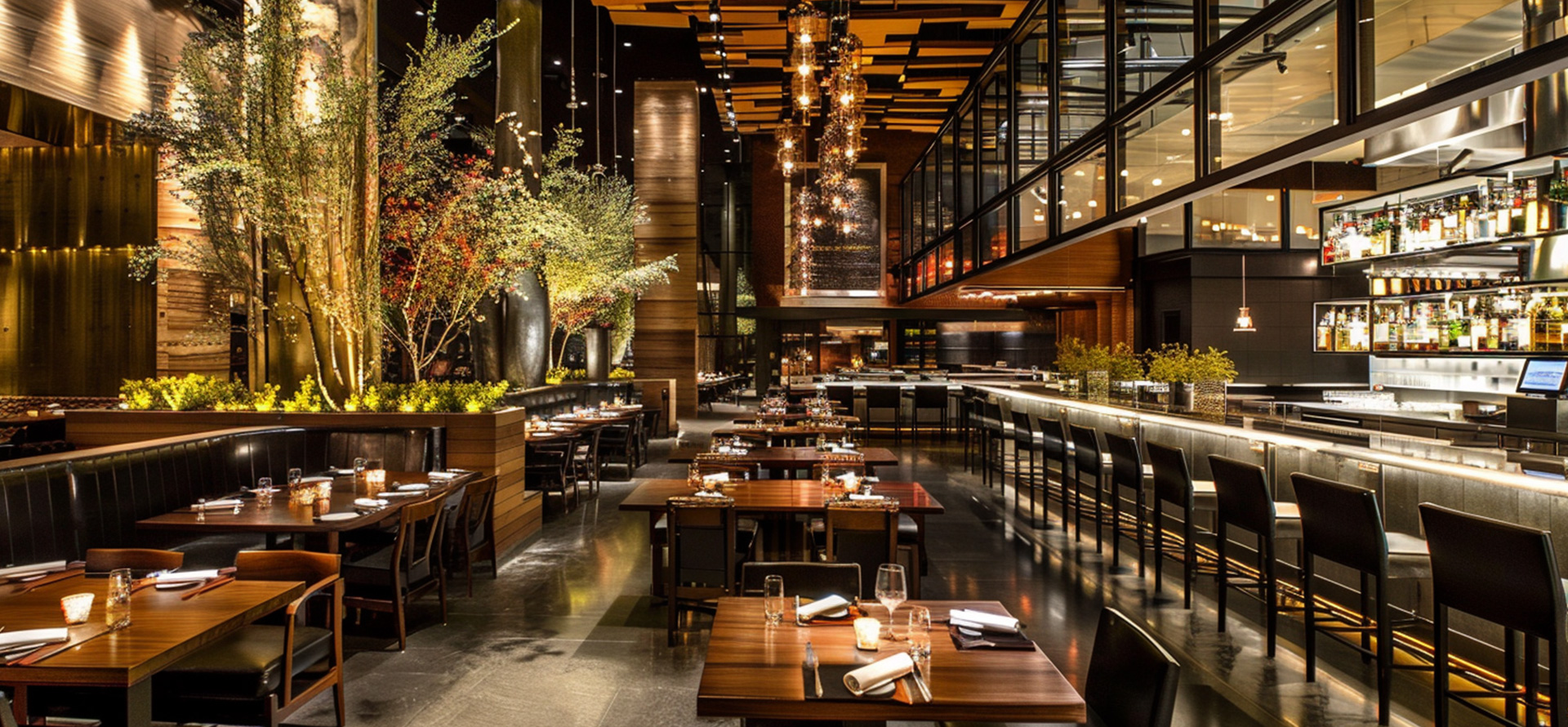
Hospitality Consulting for Developers, Landlords & Government Agencies
Food and beverage operations are increasingly central to mixed-use developments, commercial real estate strategies, airports, public-private partnerships, and municipal projects. TNI provides hospitality consulting and foodservice consulting to developers, commercial building owners, institutional investors, and government agencies seeking to integrate high-performance restaurant and foodservice components into broader asset strategies.
Properly engineered restaurant operations increase foot traffic, improve tenant retention, enhance property valuation, and generate incremental revenue streams. Poorly structured foodservice operations erode asset performance and create operational risk. Our hospitality asset management advisory services ensure that food and beverage components are designed as financial engines, not amenities. We conduct feasibility studies, operational modeling, cost benchmarking, vendor procurement strategy, and long-term operating system design to ensure sustainability and profitability within complex real estate environments.
Proprietary Restaurant Systems & Operational Infrastructure
TNI’s proprietary suite of restaurant consulting services includes comprehensive operational infrastructure designed for scalability and compliance. Our services encompass advanced inventory management systems, product receiving and processing protocols, financial management systems, back-of-house management integrated with restaurant POS platforms, operational log systems through TNI Log™, and digital document management architecture via NextWeb2™.
We develop customized restaurant and hospitality operating manuals, human resource systems aligned with regulatory compliance and risk management, food safety systems, purchasing procedures, cash handling protocols, scheduling optimization models, and cost containment processes. Each system is designed to align operational execution with financial reporting and executive-level visibility, ensuring that decision-making is supported by accurate data rather than assumptions.
Standard Operating Procedures are treated as dynamic financial control mechanisms rather than static documentation. In multi-unit restaurant consulting engagements, disciplined SOP implementation directly correlates with margin expansion and brand consistency. High-performance restaurant systems consistently outperform undisciplined operations by substantial financial multiples.
Restaurant Cost Reduction & Profit Optimization
TNI’s restaurant cost reduction methodology is built around structured performance engineering. Our Overhead Reduction Process™ begins with confidential financial benchmarking and P&L analysis, comparing client performance against proprietary international purchasing data. We then implement targeted expense history analysis, RFP management, vendor renegotiation, group purchasing integration, and structured implementation planning.
Our restaurant cost optimization services address food cost management, labor productivity modeling, utilities cost reduction, telecom expense restructuring, insurance renegotiation, waste management optimization, vendor contract compliance audits, and lease negotiations. Sustainability integration, energy efficiency, and waste reduction are incorporated not only for environmental compliance but for measurable cost savings and ESG alignment demanded by institutional investors.
TNI’s Documented Cost Optimization Success
Multi-Unit Restaurant Group ($36M Revenue)
- $500K immediate expense reduction
- $260K additional savings identified
Department Store Group ($1B Revenue)
- $1.8M reduction in employee catering
- 2% food cost reduction ($1.2M)
Casual Dining Group ($86M Revenue)
- 4% food cost reduction
- 2% labor cost reduction
Grocery Chain ($9B Revenue)
- $27M reduction in departmental overhead
Department Store Group ($2B Revenue)
- $3.2M upfront purchasing renegotiation gain
- 1% overhead reduction ($600K net savings).
Sustainability, Energy Efficiency & ESG-Driven Foodservice Consulting
Sustainability is now embedded within hospitality financial strategy. TNI integrates waste management consulting, energy optimization technologies, refrigeration efficiency solutions, and environmentally responsible procurement systems into our foodservice consulting framework. Innovative refrigeration dehumidification systems, supply-chain restructuring, and recycling cost analysis reduce utility expenses while improving food quality and extending product shelf life. These initiatives align restaurant operations with ESG reporting standards increasingly required by investors, lenders, and government stakeholders.
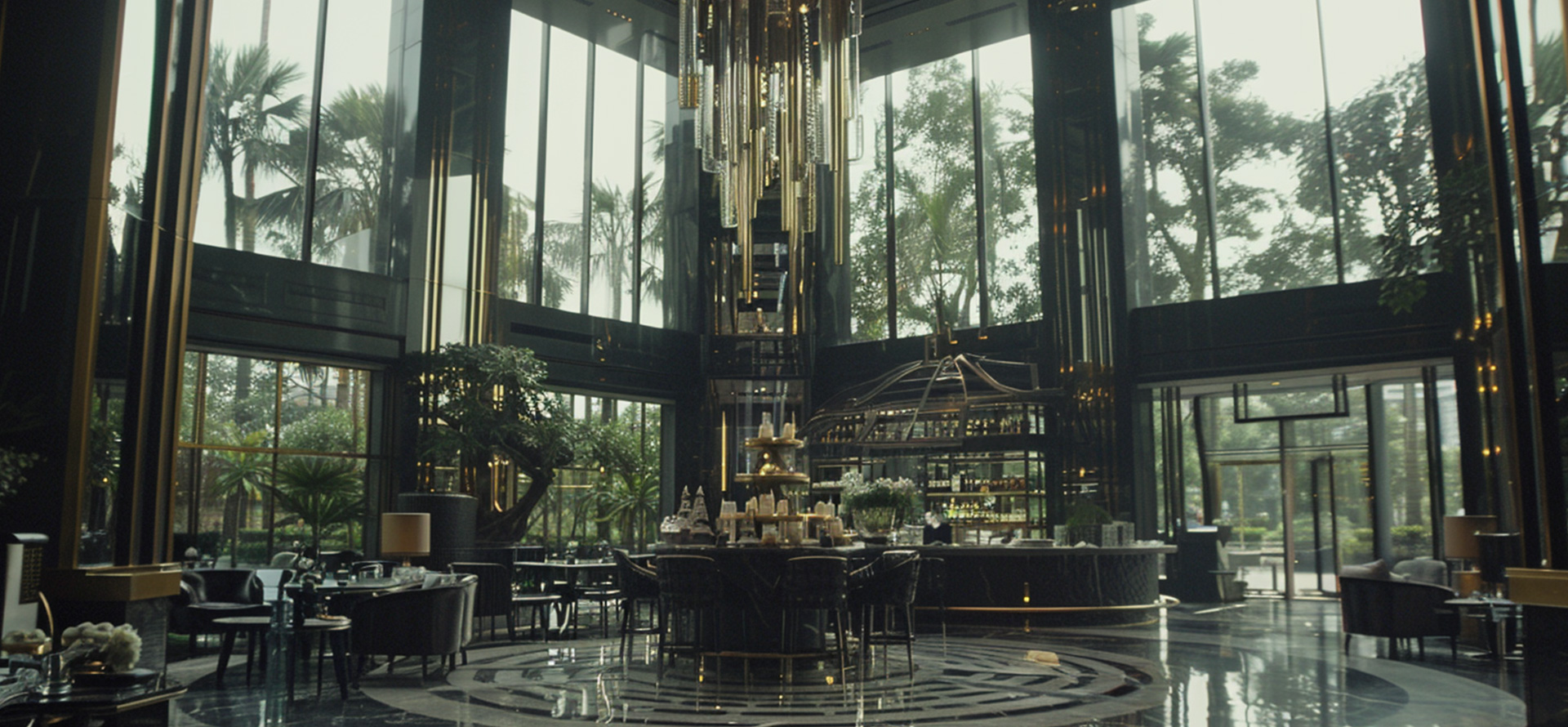
The Next Idea in Restaurant & Hospitality Consulting
TNI Restaurant Consultants is The Next Idea in restaurant consulting, hospitality consulting, and food & beverage optimization. We design advanced operating systems that align cost control, digital integration, supply-chain intelligence, labor productivity, and guest experience strategy into a cohesive profitability model. Our international track record, institutional advisory capability, and systems-driven methodology position us as a strategic partner for restaurant owners, multi-unit operators, developers, government agencies, and investors seeking measurable performance outcomes.
In 2026, restaurant success is no longer dependent solely on concept and creativity. It is driven by disciplined systems, data-driven decision-making, supply-chain resilience, financial intelligence, and scalable operational architecture. TNI builds those systems.
Frequently Asked Questions
Restaurant Consulting & Food & Beverage Operating Systems
A modern restaurant consultant designs and implements integrated operating systems that improve profitability, cost control, scalability, and asset value. In 2026, restaurant consulting goes beyond concept development and includes data-driven P&L optimization, supply-chain restructuring, labor productivity modeling, digital integration, sustainability alignment, and EBITDA enhancement strategies.
Restaurant consulting improves profitability by restructuring cost ratios, optimizing food and labor costs, implementing advanced inventory systems, renegotiating vendor contracts, engineering menus for margin performance, and improving operational discipline. When properly executed, these strategies can increase contribution margins by measurable multiples.
Restaurants typically fail due to improper cost architecture or insufficient capitalization. Even strong sales volumes cannot offset uncontrolled labor costs, unmanaged food waste, poor purchasing systems, or incorrect occupancy ratios. Restaurant operations consulting addresses these structural inefficiencies.
A Food & Beverage Operating System is a structured, integrated framework that aligns food production, service delivery, financial management, supply chain logistics, labor systems, and guest experience into a synchronized performance model. It transforms restaurant operations into scalable business platforms.
TNI approaches restaurant cost reduction as performance engineering rather than reactive cutting. Our methodology includes P&L benchmarking, vendor price analysis, group purchasing leverage, contract renegotiation, utilities optimization, food cost engineering, and waste analytics to create sustainable savings.
Yes. Multi-unit restaurant consulting focuses on scalability, SOP standardization, centralized purchasing, labor modeling across locations, brand consistency, and performance benchmarking across units to maximize portfolio-level EBITDA.
Absolutely. Restaurant consulting for private equity firms focuses on due diligence, operational audits, EBITDA expansion strategies, cost restructuring, turnaround implementation, and post-acquisition integration for hospitality assets.
Developers benefit from hospitality consulting by integrating properly engineered food and beverage operations into mixed-use projects, commercial buildings, airports, and retail environments. Structured restaurant operations increase foot traffic, enhance tenant retention, and improve overall asset valuation.
Yes. Government agencies, universities, and public institutions rely on foodservice consulting to improve procurement efficiency, reduce waste, implement compliance systems, enhance cost controls, and modernize operational infrastructure within regulated environments.
Restaurant operations consulting focuses on improving back-of-house systems, inventory control, labor productivity, cost ratios, purchasing processes, food safety compliance, and overall operational efficiency to increase financial performance.
Standard Operating Procedures are essential for financial consistency and scalability. In multi-unit restaurant environments, disciplined SOP implementation directly correlates with margin stability, quality control, and risk mitigation.
Restaurant turnaround consulting involves restructuring failing or underperforming operations through cost reduction, menu engineering, labor reallocation, vendor renegotiation, financial diagnostics, and management system redesign to restore profitability.
Supply chain optimization reduces food cost volatility, improves purchasing leverage, eliminates vendor inefficiencies, and enhances margin predictability. Structured procurement systems are one of the most powerful drivers of long-term restaurant profitability.
Technology enables real-time performance monitoring, POS integration, inventory depletion tracking, AI-driven variance identification, predictive purchasing, labor scheduling optimization, and digital guest engagement. Technology integration is central to advanced food and beverage consulting.
When poorly executed, yes. However, strategic restaurant cost optimization enhances quality by eliminating inefficiencies rather than cutting corners. Intelligent waste reduction, yield management, and vendor benchmarking improve both profitability and consistency.
Sustainability initiatives such as waste reduction, energy optimization, refrigeration efficiency, and recycling management reduce operating costs while aligning with ESG mandates demanded by investors and government agencies. Sustainable operations often outperform traditional models financially.
Menu engineering analyzes product mix, contribution margins, pricing strategy, and consumer behavior to optimize profitability. Proper menu engineering can increase food cost efficiency and improve gross profit without increasing prices.
Typically, initial cost savings can often be identified within 30–90 days through financial benchmarking and vendor renegotiation. Structural operational improvements typically yield measurable EBITDA enhancement within two to three quarters.
Yes, provided they implement structured foodservice consulting guidance. Developers, retailers, institutions, and corporations entering hospitality must adopt professional operating systems, procurement frameworks, and cost controls to ensure sustainability.
TNI Restaurant Consultants combines international hospitality experience with advanced operating system design, financial intelligence, restaurant cost reduction expertise, and asset-level strategic advisory. We do not provide generic advice; we engineer scalable restaurant and foodservice performance platforms designed for 2026 and beyond.